Description:
CPE Hours: 3.3
INTRODUCTION
As fraud and scams become more sophisticated, organisations face new vulnerabilities arising from rapid technological changes including the misuse of artificial intelligence, the exploitation of trust and increasingly complex business ecosystems.
This half-day symposium will examine the evolving fraud and scam landscape and its implications for governance, risk management, compliance and internal audit. The sessions will explore emerging threats, financial crime, technology-enabled fraud, and how organisational culture can contribute to misconduct.
Target Audience
- Internal auditors and audit leaders
- Risk management, compliance and governance professionals
- Fraud, financial crime and AML/CFT professionals
- Ethics, investigations and corporate security professionals
- Finance and other professionals involved in fraud prevention, detection and strengthening organisational defences against fraud
PROGRAMME
| Time |
Description |
| 1.30pm to 2.00pm |
Registration
|
| 2.00pm to 2.05pm |
Welcome and Introduction
|
Session 1:
2.05pm to 2.35pm |
Following the Money: Financial Crime, Fraud and the Evolving Role of Internal Audit
Financial crime rarely results from a single point of failure. It often involves complex flows of funds, multiple actors, interconnected controls, and vulnerabilities that span organisations, industries and jurisdictions. In today's environment, individuals may be both perpetrators and victims, with scams, mule account activity, social engineering, and increasingly sophisticated criminal networks blurring traditional boundaries.
This session provides an industry perspective on how financial crime risks are evolving and how organisations are responding collectively to combat them. It will explore how illicit funds move through the financial system, the wider impact of financial crime on customers, institutions and society, and why addressing these risks requires coordinated action across the ecosystem rather than focusing on isolated control failures as well as the collective efforts of financial institutions and industry bodies such as the Anti-Money Laundering Audit Peer Group (AAPG) to strengthen resilience across the sector.
The session will also examine the role of Internal Audit in providing assurance over financial crime risk management, highlighting key areas of focus, common weaknesses, and how auditors can help organisations identify systemic vulnerabilities rather than isolated control failures.
Attendees will gain a practical understanding of financial crime as an ecosystem challenge and the role auditors can play in strengthening defences across an increasingly interconnected environment.
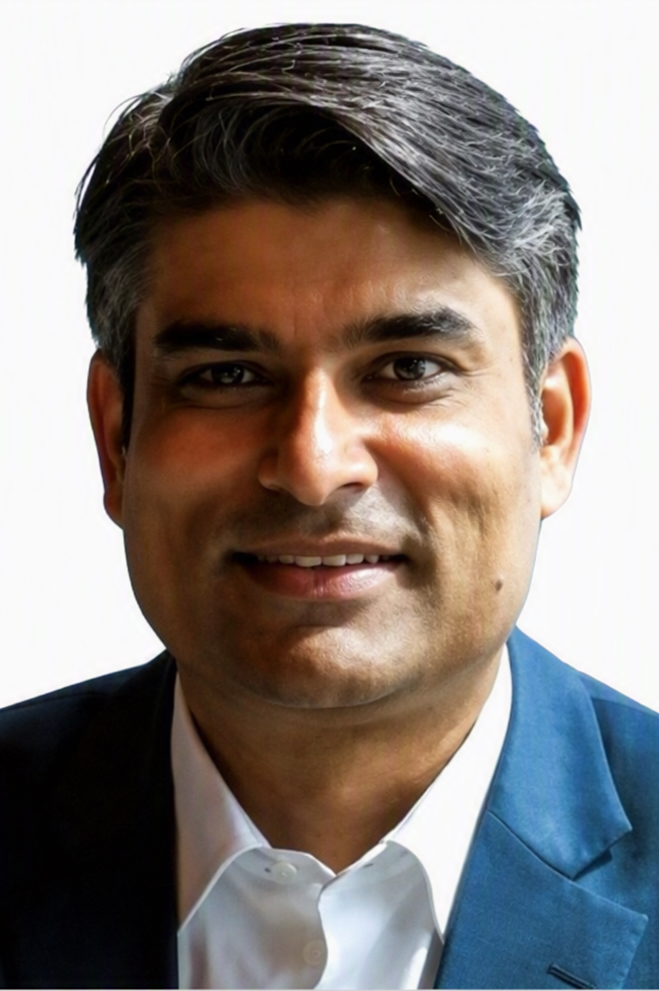
Ahmer Ramzan
Head of Audit, Asia Pacific, Singapore
HSBC
Ahmer Ramzan is a Managing Director and Head of Audit, Asia Pacific (ex. Hong Kong & China), and Country Head of Audit, Singapore at HSBC, leading audit strategy and assurance across one of the world's most dynamic and complex regions.
With over 25 years of international experience across Asia Pacific and the Middle East, Ahmer is a trusted advisor to boards and senior executives on governance, risk, and control. Within HSBC, he has held country, regional, and global leadership roles across Non-Financial Risk, Finance Audit, and Chief Audit Executive mandates, bringing a comprehensive, cross-line perspective across the line of businesses and geographies.
Ahmer is at the forefront of redefining internal audit. He has led global transformation initiatives embedding advanced data analytics, continuous monitoring, and AI-driven insights into audit methodologies, enabling more forward-looking, risk-based assurance and reducing reliance on traditional cyclical audits.
A recognised industry leader, Ahmer co-chairs Singapore's Anti-Money Laundering Audit Peer Group (AAPG), driving collaboration across financial institutions and shaping AML/CFT audit best practices. He is a frequent speaker at global and regional forums, known for his practical insights on emerging risks, innovation, and the future of assurance.
|
Session 2
2.35pm to 3.20pm |
Beyond the Fraud Triangle: Exploring Behavioural Decision Science for Fraud Risk Management
Advances in artificial intelligence are reshaping the fraud landscape, making deception more convincing, personalised and scalable. While these developments create new challenges for organisations, fraud ultimately remains rooted in human decisions, behaviours and organisational conditions. As fraud risks evolve, understanding the behavioural factors that influence decision-making becomes increasingly important in complementing traditional fraud risk management approaches.
The Fraud Triangle has long provided a useful framework for understanding what conditions are typically present when fraud occurs. This session complements that perspective by exploring the behavioural drivers behind fraud, examining how individual and organisational factors can shape the decisions, behaviours and conditions that make fraud more likely.
Participants will gain practical insights into how they can apply behavioural decision science to pre-emptively identify fraud-conducive conditions, recognise potential fraud hotspots, and strengthen fraud risk management through more targeted interventions and responses.
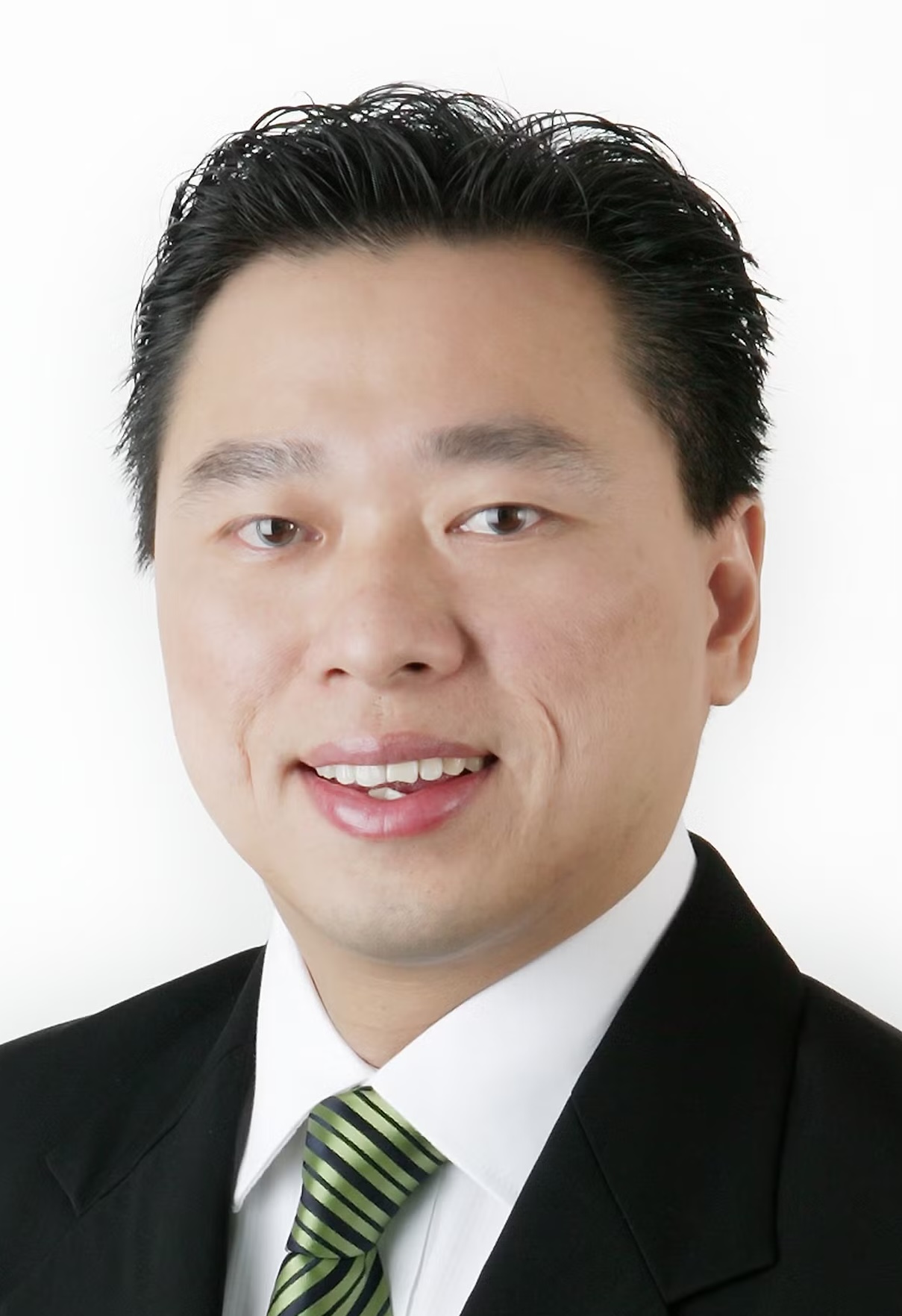
Alywin Teh
Partner
PwC
Alywin Teh is a Partner at PwC who brings an applied behavioural science perspective to governance, risk management and controls. He helps organisations understand how individuals may rationalise misconduct, bypass controls, remain silent or act against organisational expectations under certain conditions. His work focuses on how factors such as leadership signals, incentives, social norms, fairness perceptions, decision-making biases and operating pressures can shape behaviours, and how these insights can be used to design more effective risk, control and assurance responses.
As part of his career, he has held a number of senior executive roles, including Asia Head of Internal Audit and Asia Pacific Chief Risk Officer for a UK insurer, as well as Acting Head of Internal Audit for a Singapore-listed company. He is currently a board member of the Singapore Business Advisors & Consultants Council Limited. In recent years, Alywin has been actively engaged in culture, conduct and behavioural risk, advising clients on the design and implementation of culture and conduct frameworks, diagnostic tools, behavioural root cause analysis approaches, and methodologies for auditing culture and conduct. He has also assisted an industry Conduct & Culture Steering Group in developing industry practice notes to foure good culture practices.
Alywin has also completed the Executive Certificate in Applied Behavioural Science from SMU Academy, covering behavioural decision science, cognitive biases, and behaviourally informed strategies. This complements his practical experience in helping organisations identify behavioural and contextual conditions that may influence conduct and fraud risk, and design more targeted interventions to strengthen governance, controls and risk management outcomes.
|
| 3.20pm to 3.40pm |
Networking break with light refreshments
|
Session 3
3.40pm to 4.25pm |
Beyond the Fraud Incident: From Red Flags to Investigation, Response and Remediation
Fraud risk is constantly evolving, driven by increasingly complex operations, third-party relationships and advances in technology. Effective fraud risk management requires more than reacting to incidents — organisations must be prepared to identify red flags, assess allegations, investigate effectively and turn incidents into stronger controls.
Drawing on practical experience in fraud investigations and risk management across Asia Pacific, Mark Lim will explore the fraud lifecycle from whistleblowing and detection through investigation, response and remediation. The session will examine how the first line, second line and Internal Audit can work together while maintaining clear accountability, and how investigations can uncover broader control and process weaknesses.
The presentation will also explore how AI is enabling new forms of fraud while creating new opportunities for detection and investigative support.

Mark Lim
Fraud Risk Officer Asia Pacific
A.P. Moller – Maersk
Mark Lim is a fraud and investigations professional with 18 years of experience across fraud risk management, investigations, risk, compliance and internal audit. He currently works with A.P. Moller – Maersk, where he conducts fraud investigations and supports fraud risk management and awareness initiatives across Asia Pacific. His previous regional roles with Singapore, UK and US-listed organisations have provided experience across corporate investigations, risk and compliance, while his earlier consulting career with KPMG included Governance, Risk and Internal Audit engagements in Hong Kong. Mark is a Certified Fraud Examiner (CFE), Certified Internal Auditor (CIA) and holds an Advanced Professional Certificate in Investigative Practice (APCIP).
|
Session 4
4.25pm - 5.10pm |
When Assurance Meets Investigation: From Audit Concern to Defensible Outcome
Internal auditors are often among the first to identify unusual transactions, control failures or inconsistencies that may indicate something more serious. The challenge is recognising when an audit concern has crossed the threshold into suspected misconduct and knowing what Internal Audit should do next.
Using an anonymised real-world enforcement case, this session will examine how an initial concern developed into a wider investigation and ultimately exposed broader control and organisational weaknesses. It will consider the importance of preserving information, testing explanations, asking effective questions, corroborating evidence and maintaining appropriate boundaries between audit, management and investigative functions.
Participants will gain practical perspectives on assessing and escalating concerns, documenting decisions, avoiding premature conclusions and recognising when specialist investigative support may be required. The session will also demonstrate how investigative findings can strengthen remediation, risk assessment and future audit planning, allowing Internal Audit to contribute beyond identifying the original control failure.

Ramesh Raj Kishore
Regional Director - Asia Pacific
Pharmaceutical Security Institute
Raj has nearly 30 years of experience in law enforcement and regulatory roles, with expertise in criminal intelligence, anti-counterfeiting, and pharmaceutical crime. He previously served in Singapore’s Police Intelligence and Criminal Investigation Departments and later held key enforcement and prosecutorial responsibilities at the Health Sciences Authority.
Currently, as Regional Director at the Pharmaceutical Security Institute, Raj works to strengthen public-private collaboration across Asia Pacific and leads capacity-building initiatives for law enforcement agencies. He also lectures at the National University of Singapore and consults for the United Nations Office on Drugs and Crime on enforcement and legislative strategies.
|
|
5.10pm to 5.15pm
|
Closing
|
Note: All information is correct at the time of publication and subject to change without prior notice.
|
REGISTRATION
The registration fees include light refreshments.
Please email the completed registration details as per the excel form to IIA Academy at iia-academy@iia.org.sg. We will notify you once your registration for the symposium has been successfully processed.
PAYMENTFor more details about payment modes, please click HERE.
IMPORTANT NOTEPlease email the completed registration details as per the excel form to IIA Academy at iia-academy@iia.org.sg. We will update you upon successful registration of the mentioned symposium. Once the course is confirmed, an email confirmation will be sent to the registrants’ contact email addresses 1 week prior to the course commencement date.
If you do not receive any email notification regarding your course registrations, please call IIA Academy at 6324 9029 ext 2004 or 2005.
TERMS AND CONDITIONS
- Registration is on a first-come, first-served basis.
- Contact person will be notified via email upon successful registration of the participants. The event details would be sent to the registered participants one week prior to the symposium.
- Registration fee must be received prior to the date of the symposium.
- Registered participants will be liable for the full registration fee in the event of non-attendance on the date of the symposium.
- Cancellation must be submitted in writing to the Academy team at iia-academy@iia.org.sg at least 7 working days prior to the symposium and subject to IIA Singapore's approval. A processing fee of $100 per participant will be imposed for any cancellation. Substitutions will be permitted and conditions will apply. You may substitute a “like” person to attend the symposium in your place – for example, if you are an IIA Singapore member, you may substitute with another IIA Singapore member.
- IIA Singapore reserves the right to revise the symposium programme as necessary.
- IIA Singapore reserves the right to cancel or postpone the symposium should the minimum class size is not fulfilled. IIA Singapore will refund the full registration fee which has been paid.
- IIA Singapore reserves the right to take videos and photographs during the symposium for use in IIA Singapore’s marketing collaterals and other publicity purposes.
- Complimentary parking, if any, will be provided on a first-come-first-served basis.

|