Internal Audit’s Role in an AI-Driven World: Reflections from the 2026 IIA International Conference
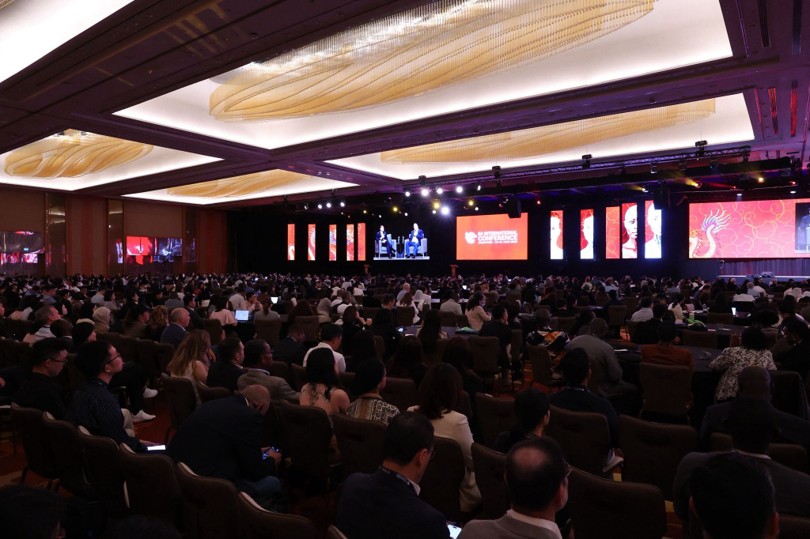
The theme of "Transform Internal Audit" at this year's IIA International Conference in Singapore was strongly reflected in the many conversations, showcases and presentations throughout the three-day event. There was no doubt that artificial intelligence (AI) and its impacts were front and centre on everyone's mind. Attending the conference broadened my perspectives on the evolving landscape of internal auditing.
As I’m writing this, it has been less than a week since the conference and I would like to take some time to reflect on the three key takeaways from those three days.
Internal Audit’s Role in AI
AI has been touted as a game changer that will transform the way we work, regardless of industry. Organisations with varying levels of maturity are exploring ways to incorporate AI into their daily business activities, largely in the hope of improving efficiency. From front-end processes such as customer service to back-end functions like business reporting, data analytics and even quality assurance, there seems to be no area that cannot be disrupted by AI.
However, this increasing adoption of AI gives rise to new challenges, especially since AI is often perceived as a “black box”, where most people do not understand how information is processed to arrive at an outcome. Inputs into AI raise data privacy concerns, while outputs are subject to risks such as hallucinations, inaccuracies, biased results and, further down the road, skill atrophy due to increasing reliance on AI.
For internal auditors, this means equipping ourselves with both technical knowledge and fundamental auditing skills such as professional skepticism, which become even more critical when reviewing AI-augmented processes. While the frontline may “move fast and break things” as they experiment with AI, the internal audit function plays a crucial role in slowing things down, asking the right questions and challenging assumptions to help foster a culture of responsible AI use within the organisation.
Just as with any other business process, auditors can review AI governance frameworks, workflows and outputs to ensure business objectives are met and the unique risks inherent in this new technology are adequately managed.
AI’s Roles in Internal Audit
Seeing the many use cases and demonstrations on display felt like being a kid in a candy shop. On stage, presenters shared stories of hackathons where auditors with no technical backgrounds used AI to build tools across the audit lifecycle, such as analysing regulatory guidelines against company policies to identify gaps. In the exhibition hall, almost every audit management software provider showcased AI-augmented capabilities. More than one exhibitor even demonstrated how AI could autonomously perform controls testing based on uploaded supporting documents and relevant policies.
Having started my career when cloud-based collaborative platforms were becoming the norm, I wondered whether the adoption of AI mirrors the early days of personal computers. It was clear that AI will supercharge the future of internal audit – perhaps one might say transform internal audit – just as personal computers once moved auditors away from physically ticking and tying ledger entries with pen and paper to instantly running formulas across a year’s worth of transactions.
Yet, seeing these impressive tools in person inevitably raised questions about their impact on the internal audit workforce, particularly at the junior levels, where many tasks can now be “outsourced” to AI. Early in my career, I spent countless hours performing gap analyses between company policies and regulatory requirements. These tasks, while repetitive, were instrumental in helping me build both technical knowledge and audit judgement. I like to think I wouldn’t be where I am today had I not done that foundational work.
How Internal Audit can Continue to Deliver Value in an AI-driven World
As AI becomes more prevalent, the human touch becomes even more valuable, with accountability and ethics frequently emphasised throughout the conference sessions.
In the context of internal audit, this means embracing the professional ethics that define the behavioural expectations of our profession while shaping how we engage with stakeholders. If AI takes over the routine and repetitive aspects of audit work, then we should invest the time saved in activities that are inherently human – building trust and meaningful relationships with our auditees and stakeholders, enabling us to serve as more effective trusted advisors.
Domain I of the Global Internal Audit Standards defines internal audit’s purpose. By anchoring ourselves to this purpose, internal audit can elevate its role as a vital strategic partner in an AI-driven landscape. Less time can be spent on routine execution to provide traditional controls assurance, allowing us instead to focus on delivering higher-value advice, insight and foresight through human-centric collaboration that builds stakeholder trust. This requires empathy, emotional intelligence and the ability to navigate organizational cultural – all qualities things that AI simply cannot replace.
The internal audit profession sits at a crucial turning point, where we must decide how the profession should evolve. The question has moved beyond whether we should use AI, to how we should use it as we navigate an ever-changing technological landscape.
Uncertainly and risk are part and parcel of periods of revolutionary change, and I would argue that AI represents exactly that – one presenter even likened its impact to the discovery of electricity. With risk management being the bread and butter of the internal audit profession, perhaps it is time for us to put our skills to the test as we embrace this new frontier.
P.S. While this post places a heavy emphasis on AI, no AI was involved in its writing. Any errors or shortcomings are entirely human in nature.
Isabelle Pong is a certified internal auditor who is passionate about finding better ways to get things done.