Human Judgment, Technology and AI: A Sharing Session with SIM Students
What does an auditor see when a customer returns a pair of shoes bought online? The answer depends on whether the situation is viewed through the lens of internal or external audit.
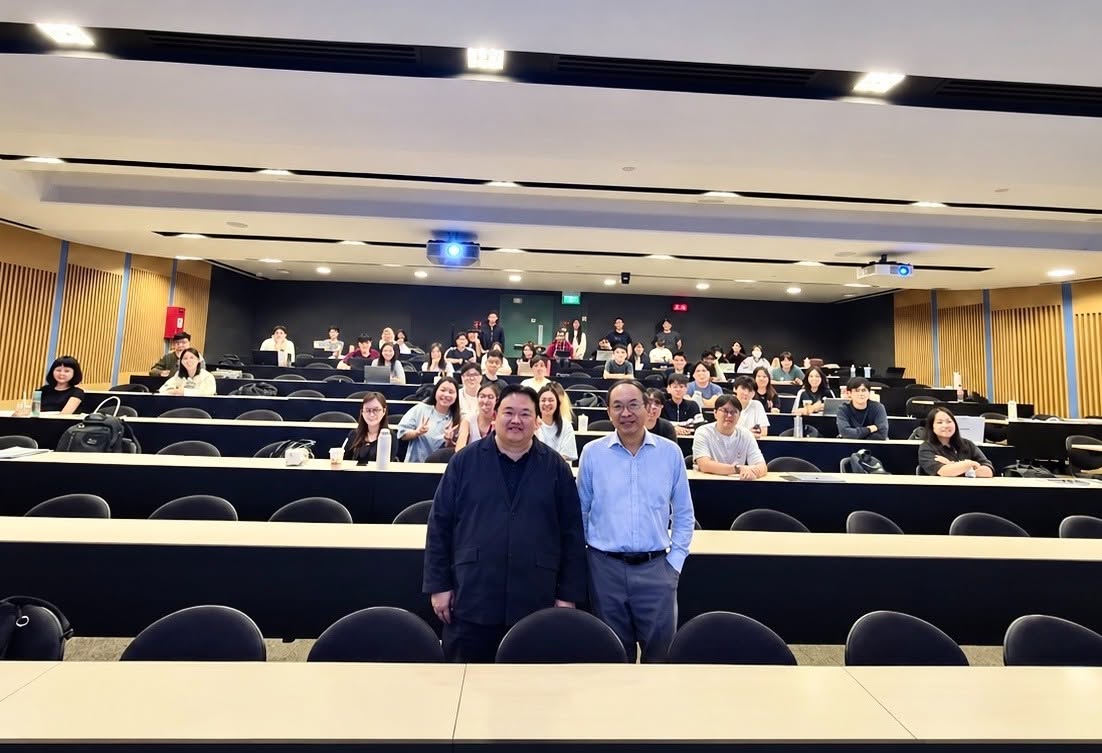
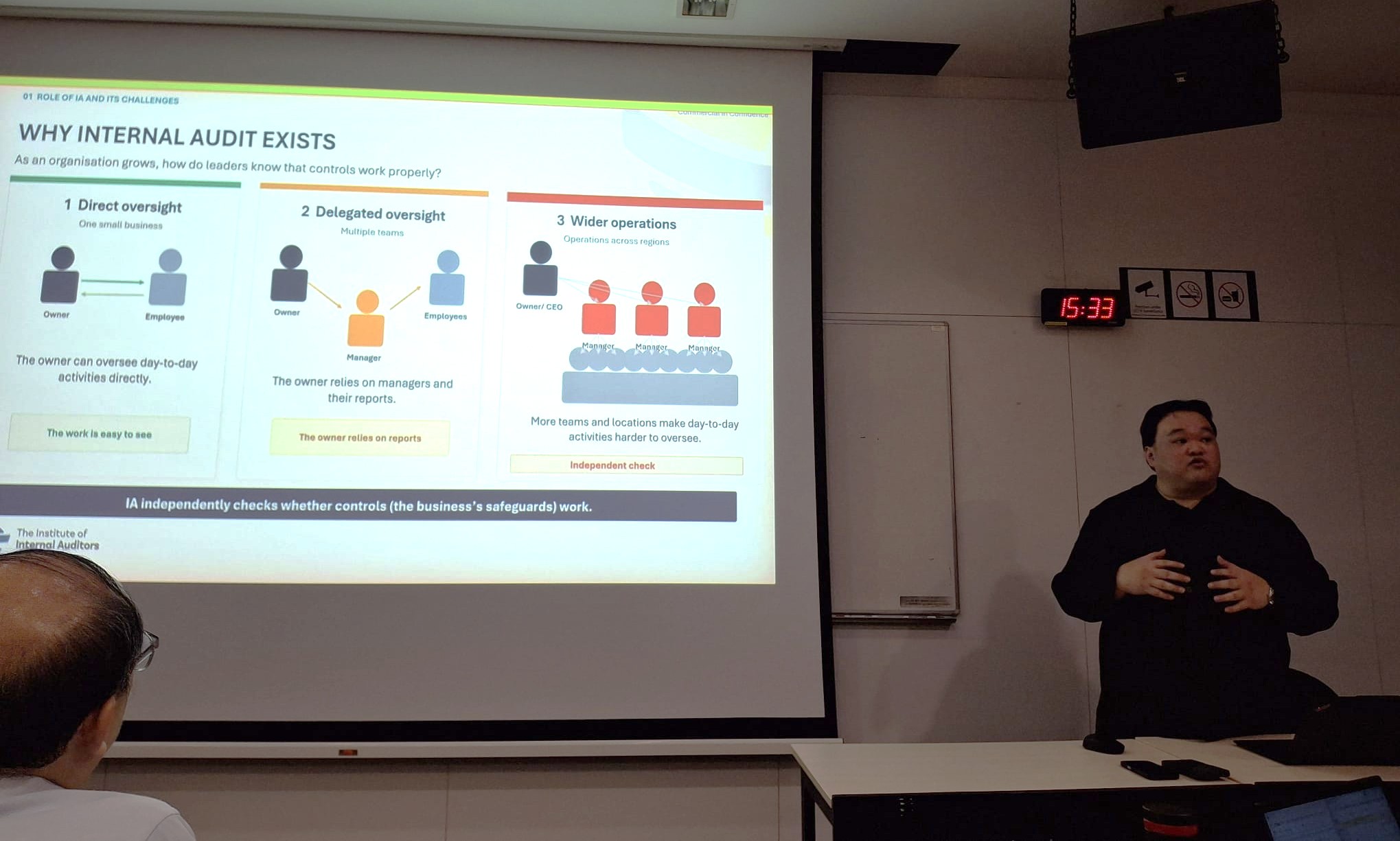
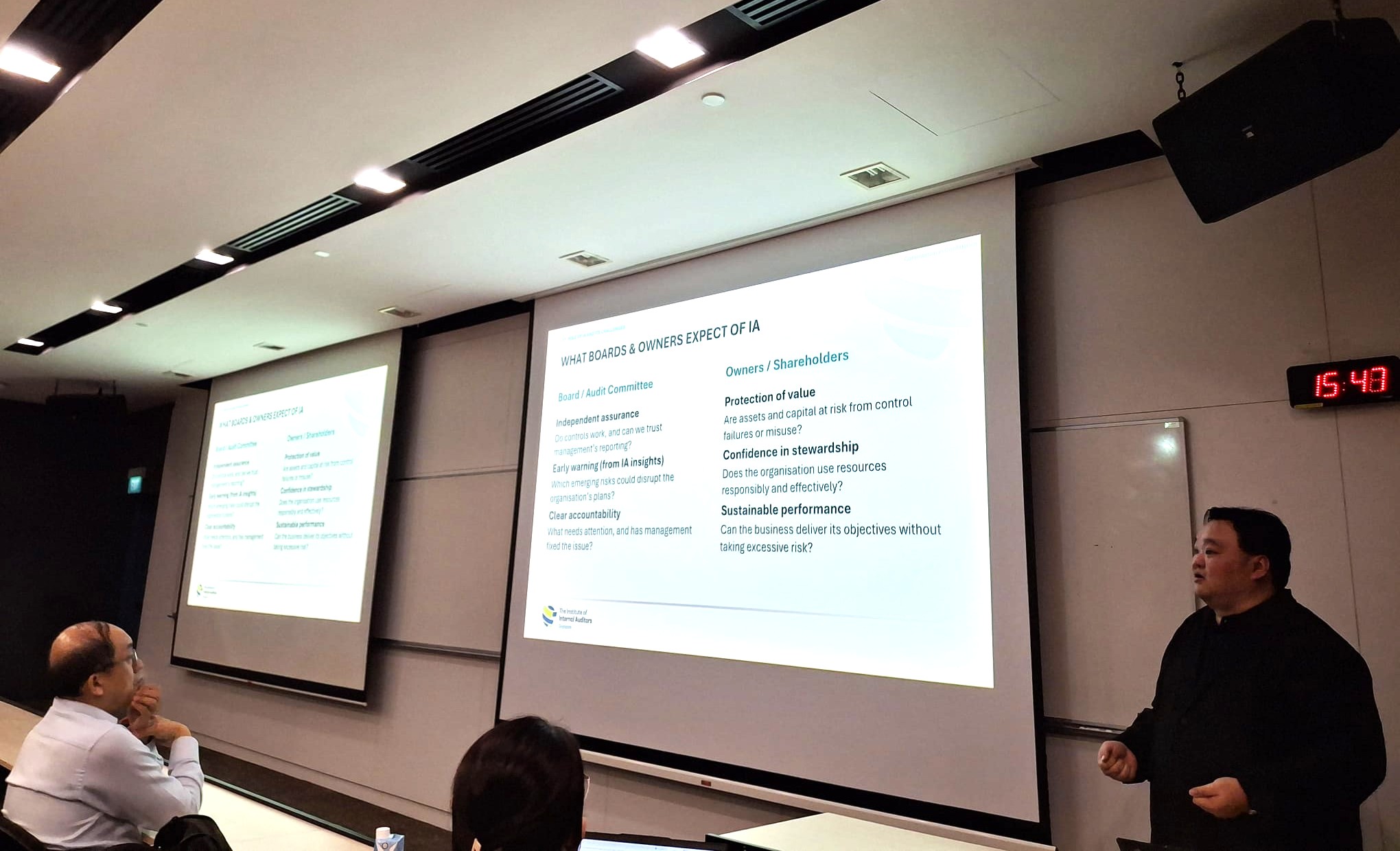
This everyday example was used during a sharing session by Freddie Chew, Senior Director, Group Internal Audit at CapitaLand Investment and Governor of IIA Singapore, with students from the Singapore Institute of Management (SIM) on 22 October 2026. Titled “Human Judgment, Technology and AI in a Changing World”, the session opened with a look at why internal audit exists and the role it plays in an organisation. As businesses grow, their operations and processes become more complex. Having an independent view of whether controls are working as intended becomes increasingly important. Internal audit helps provide that assurance, while identifying areas where processes and controls may need attention.
Freddie also shared what makes internal audit an interesting career. Rather than focusing on just one business function, internal auditors get to see how different parts of an organisation work and connect. This offers a broader understanding of the business, as well as the opportunity to provide an independent voice and perspective. But having this broad view also calls for more than technical knowledge. Freddie highlighted qualities such as curiosity, courage, communication, critical thinking, integrity and sound judgement. Internal auditors need to be curious enough to ask questions, have the courage to raise concerns and communicate their observations clearly. Integrity and sound judgement are equally important when weighing evidence and reaching conclusions.
The online shoe-return example brought the differences between internal and external audit to life. From an internal audit perspective, the focus would be on whether controls work throughout the return process. External audit, on the other hand, would look at whether the amounts were correctly recorded and recognised in the right accounting period. The same transaction, but two different audit perspectives and objectives.
The discussion also explored how technology and AI are changing the way audit work is done. While these tools can help internal auditors gather and analyse information, Freddie emphasised that their outputs should not simply be taken at face value. Internal auditors must verify the evidence, challenge the output and take ownership of their conclusions. Technology may change the tools internal auditors use, but accountability for their work remains with the auditor.
For the students, the sharing offered a closer look at what internal audit involves, both as a business function and as a career that provides exposure to different aspects of an organisation.