Symposium - Fraud and AI: Managing Exponential Risks?
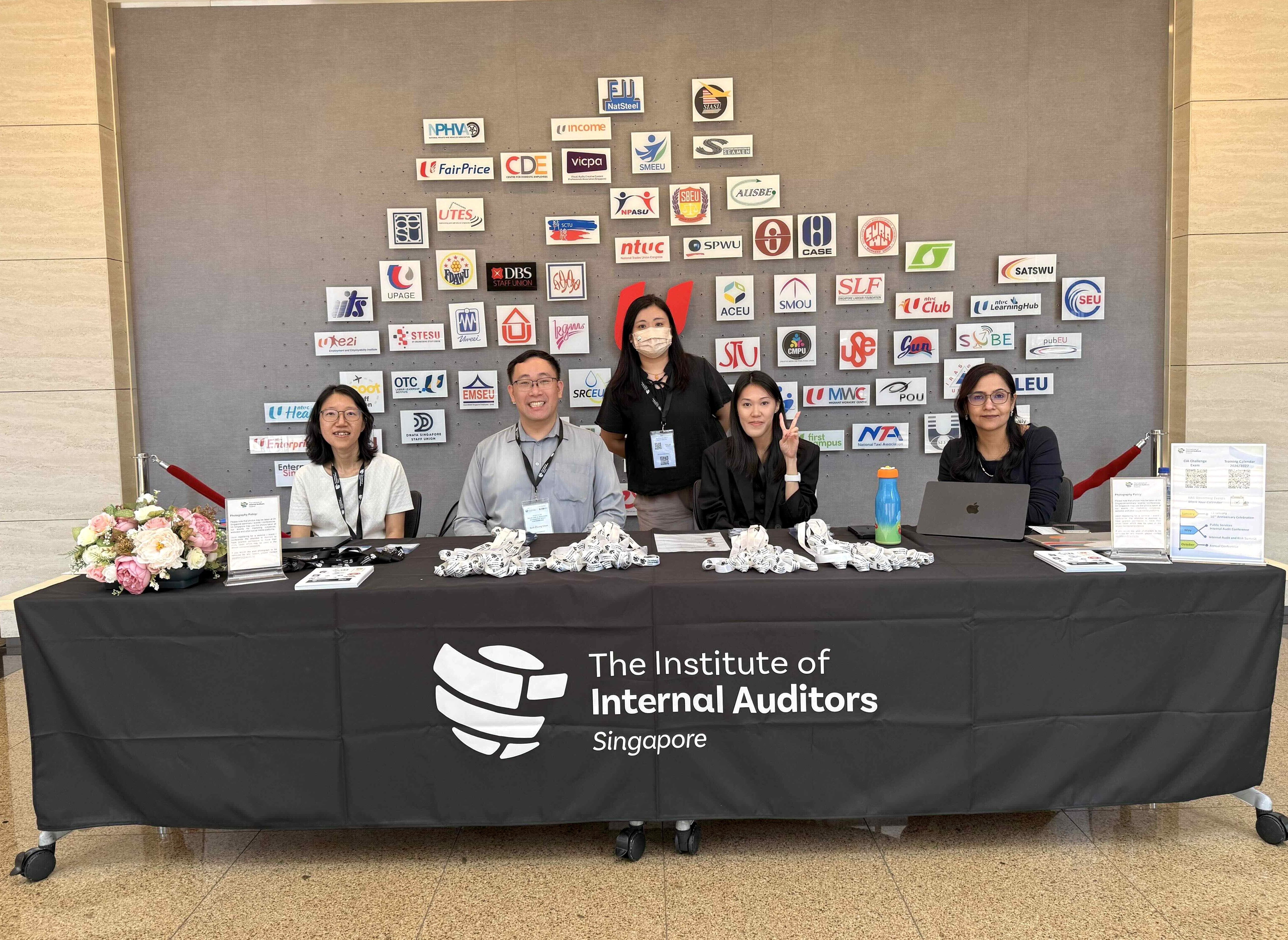
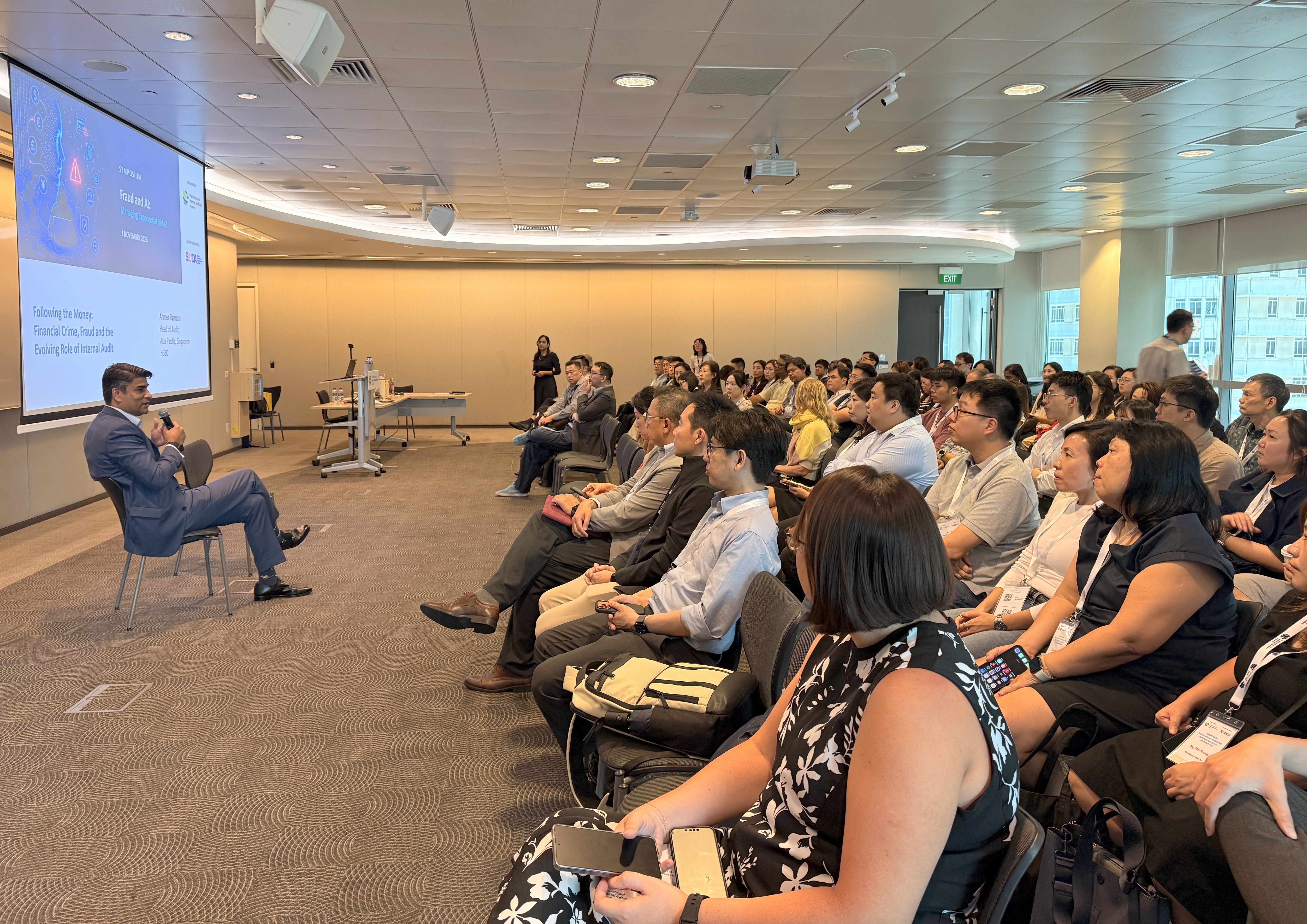
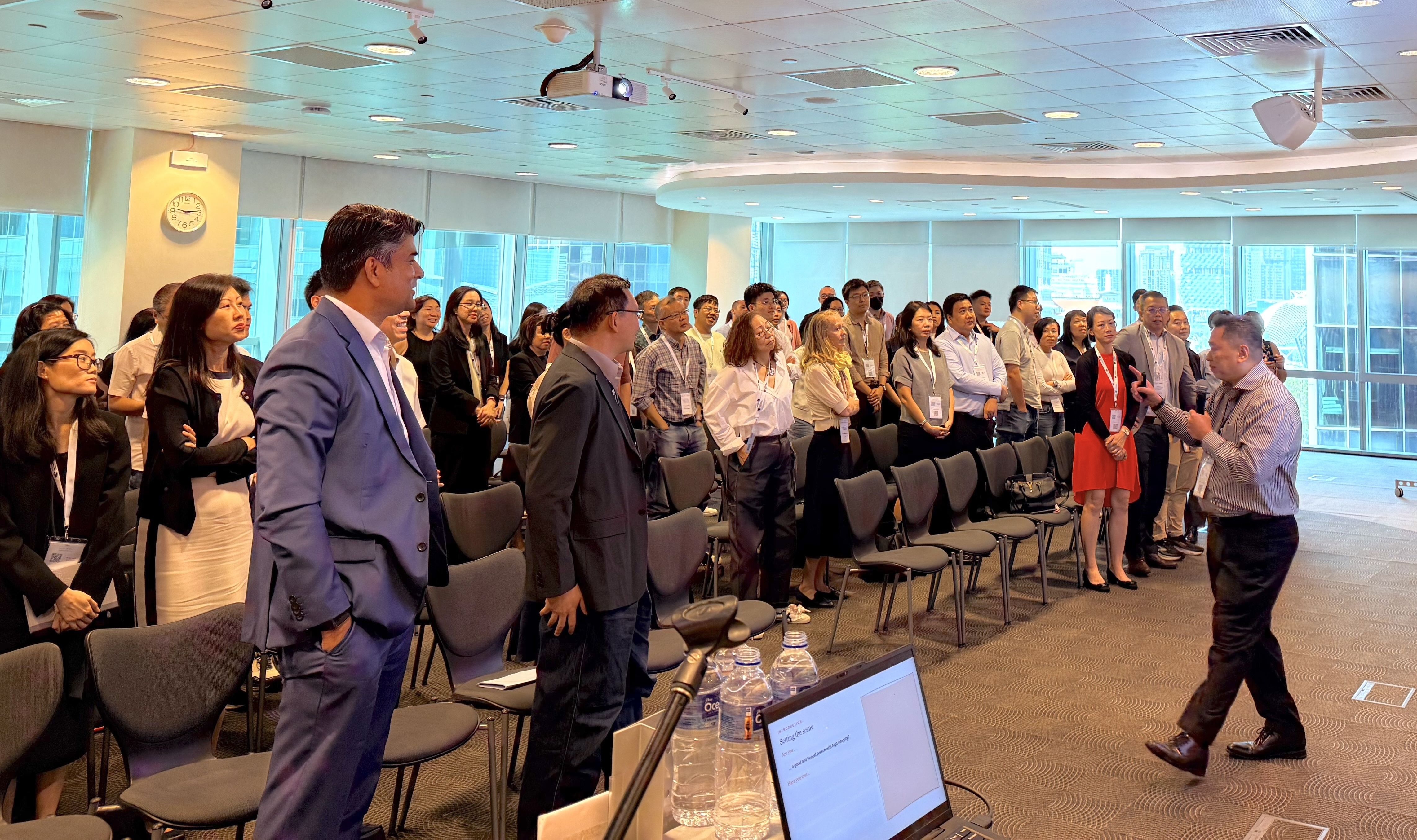
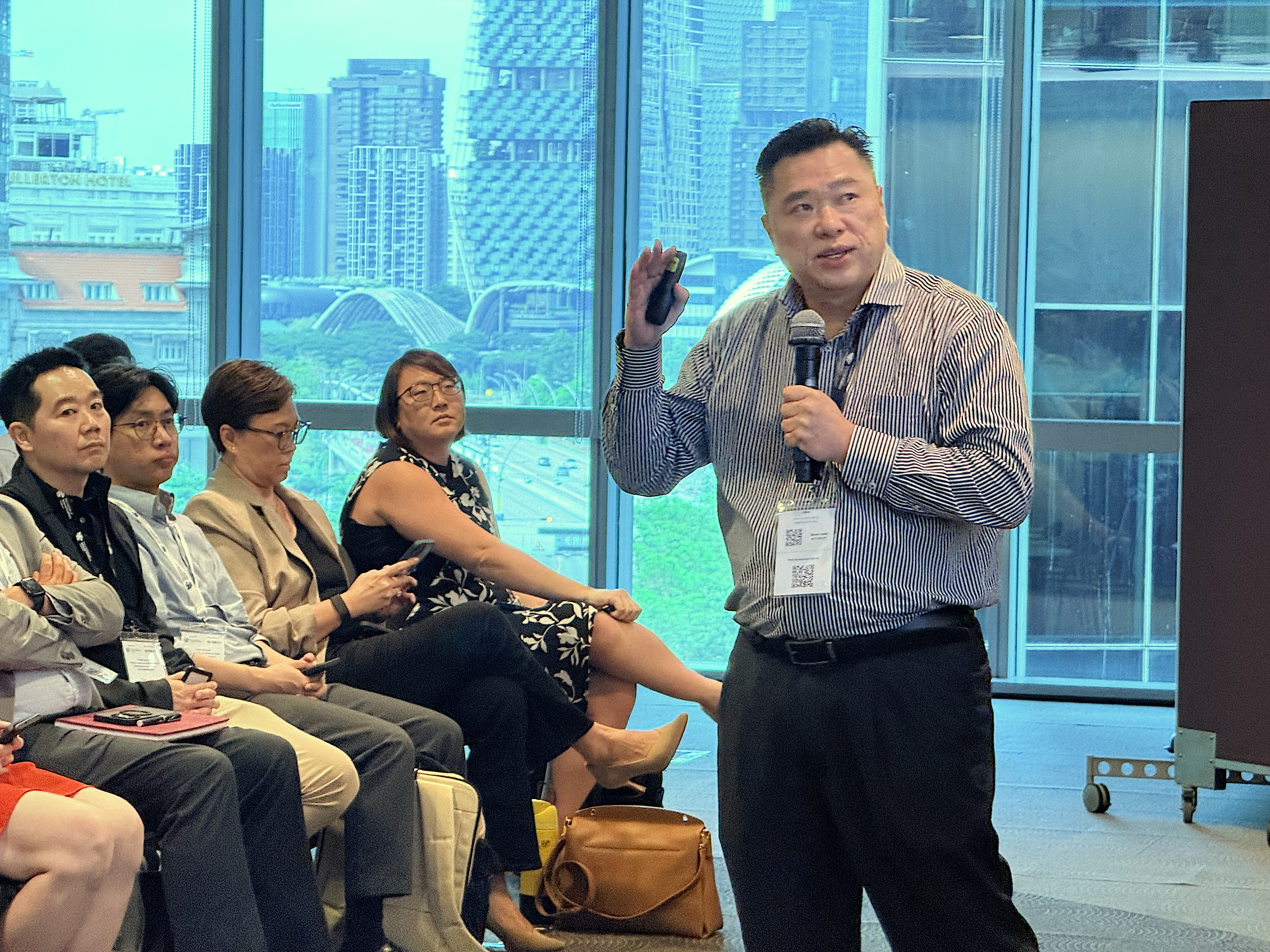
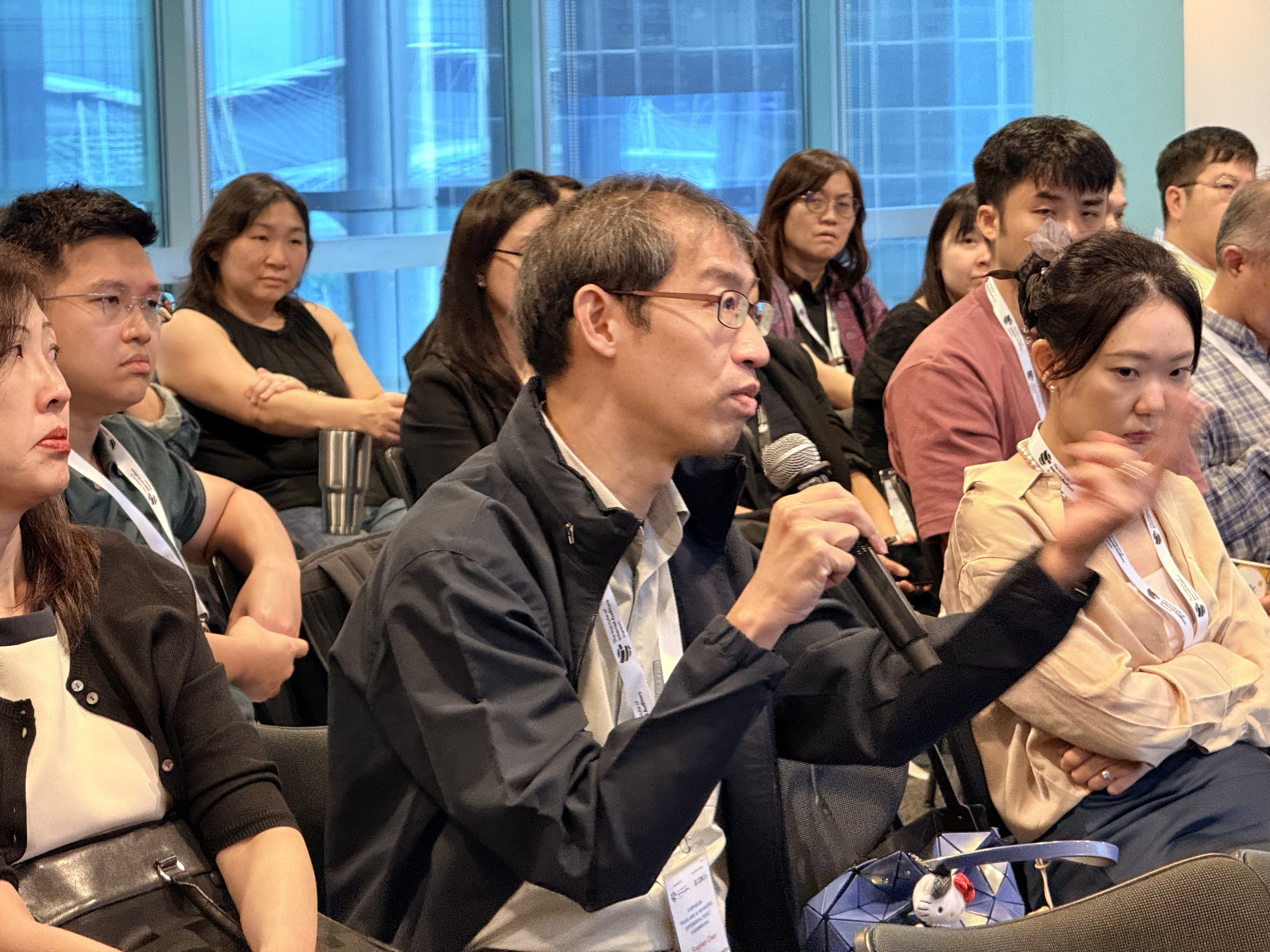
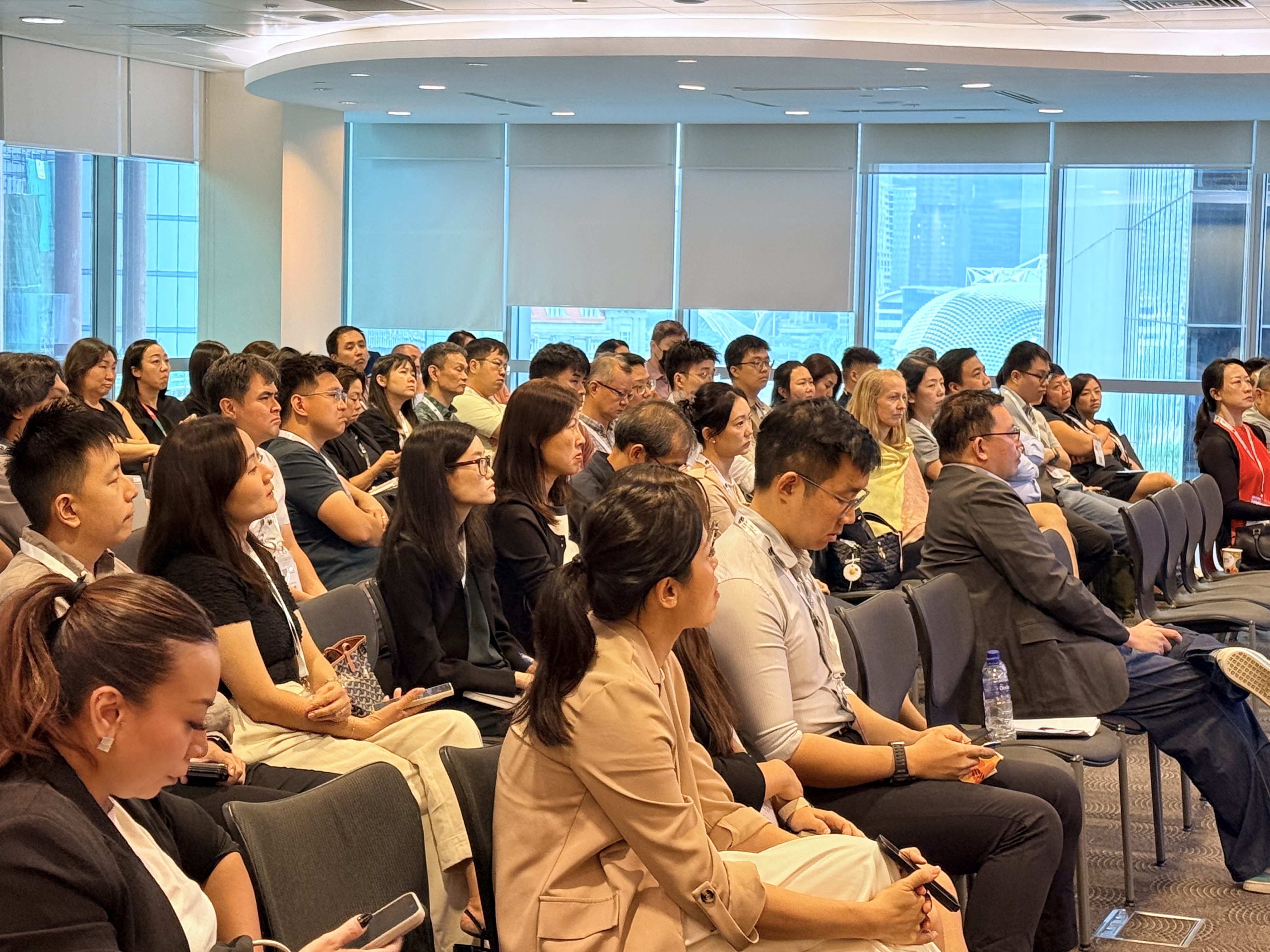
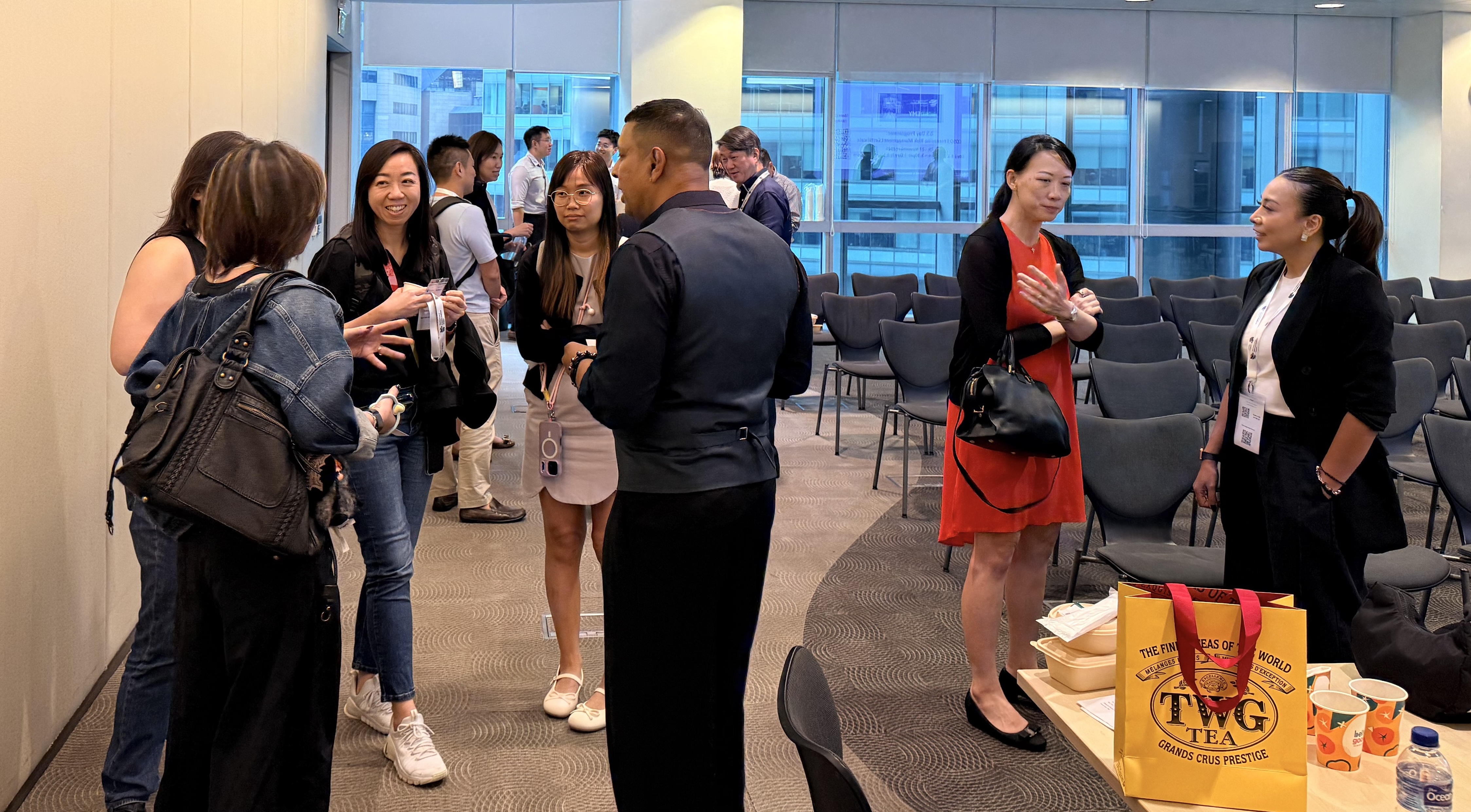
On 3 November 2026, 90 professionals gathered at NTUC Centre for the Symposium - Fraud and AI: Managing Exponential Risks?, a half-day event to explore the evolving fraud and scam landscape and its implications for governance, risk management, compliance and internal audit. Organised by IIA Singapore, with Skills and Workforce Development Agency as the supporting partner, the half-day symposium featured four insightful sessions examining emerging financial crime threats, technology-enabled fraud, behavioural drivers of misconduct, and the evolving role of internal audit in fraud risk management.
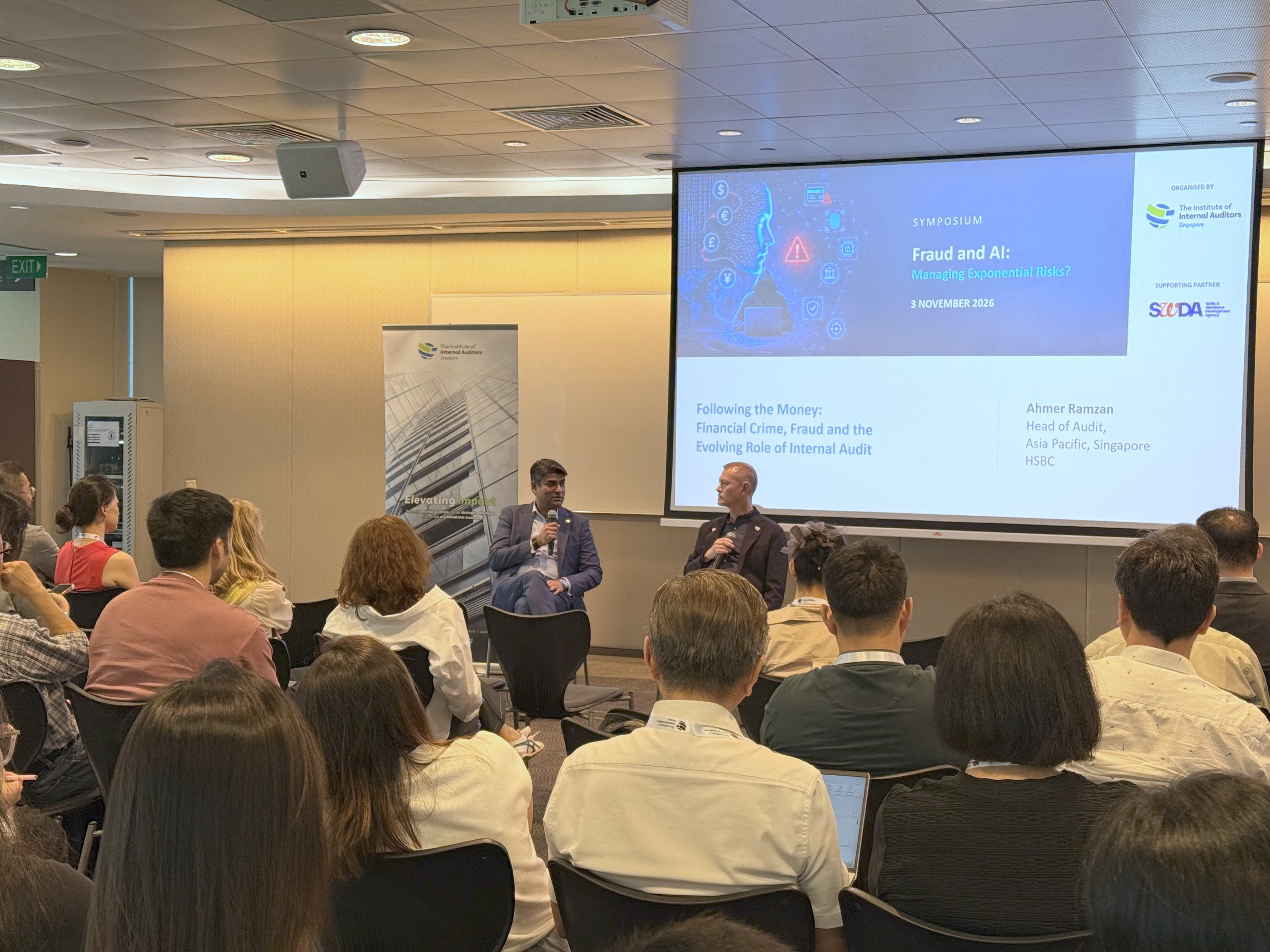
In the opening session, Ahmer Ramzan, Head of Audit, Asia Pacific, Singapore at HSBC, presented “Following the Money: Financial Crime, Fraud and the Evolving Role of Internal Audit”, highlighting how financial crime has evolved into an interconnected ecosystem that transcends organisational and geographical boundaries. Through a presentation and fireside chat with Richard Dyason, Executive Director of IIA Singapore, the session emphasised the importance of looking beyond individual control failures to understand how financial crime operates across transactions, parties and organisations. Internal auditors were encouraged to adopt a broader perspective when assessing whether organisations are adequately protected against financial crime.
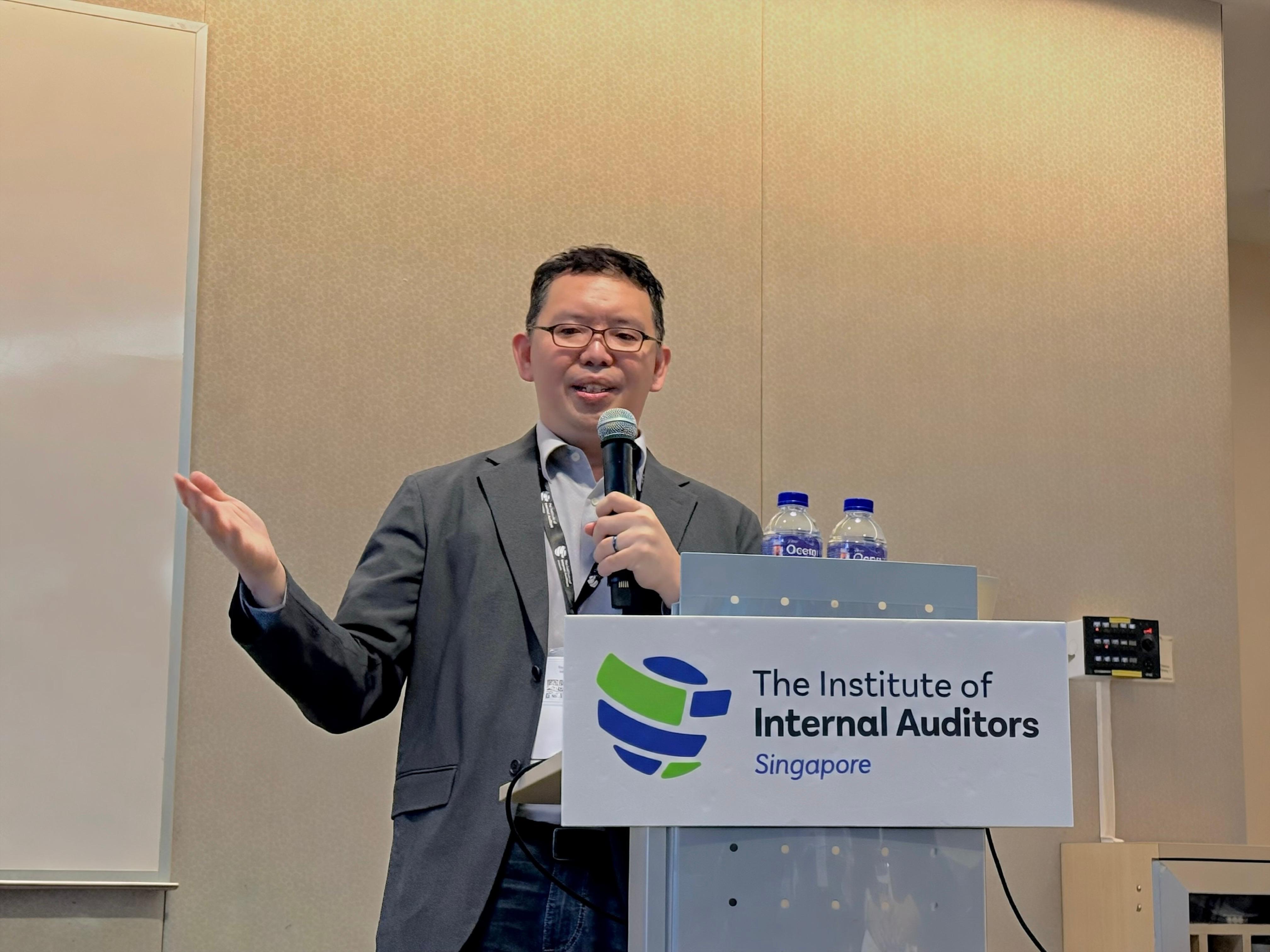
Alywin Teh, Partner at PwC, presented “Beyond the Fraud Triangle: Exploring Behavioural Decision Science for Fraud Risk Management”, exploring the underlying behavioural drivers that influence individuals to commit fraud. Complementing the Fraud Triangle framework, the session highlighted how behavioural science can help organisations identify fraud-conducive conditions, recognise potential fraud hotspots, and develop more targeted preventive measures.
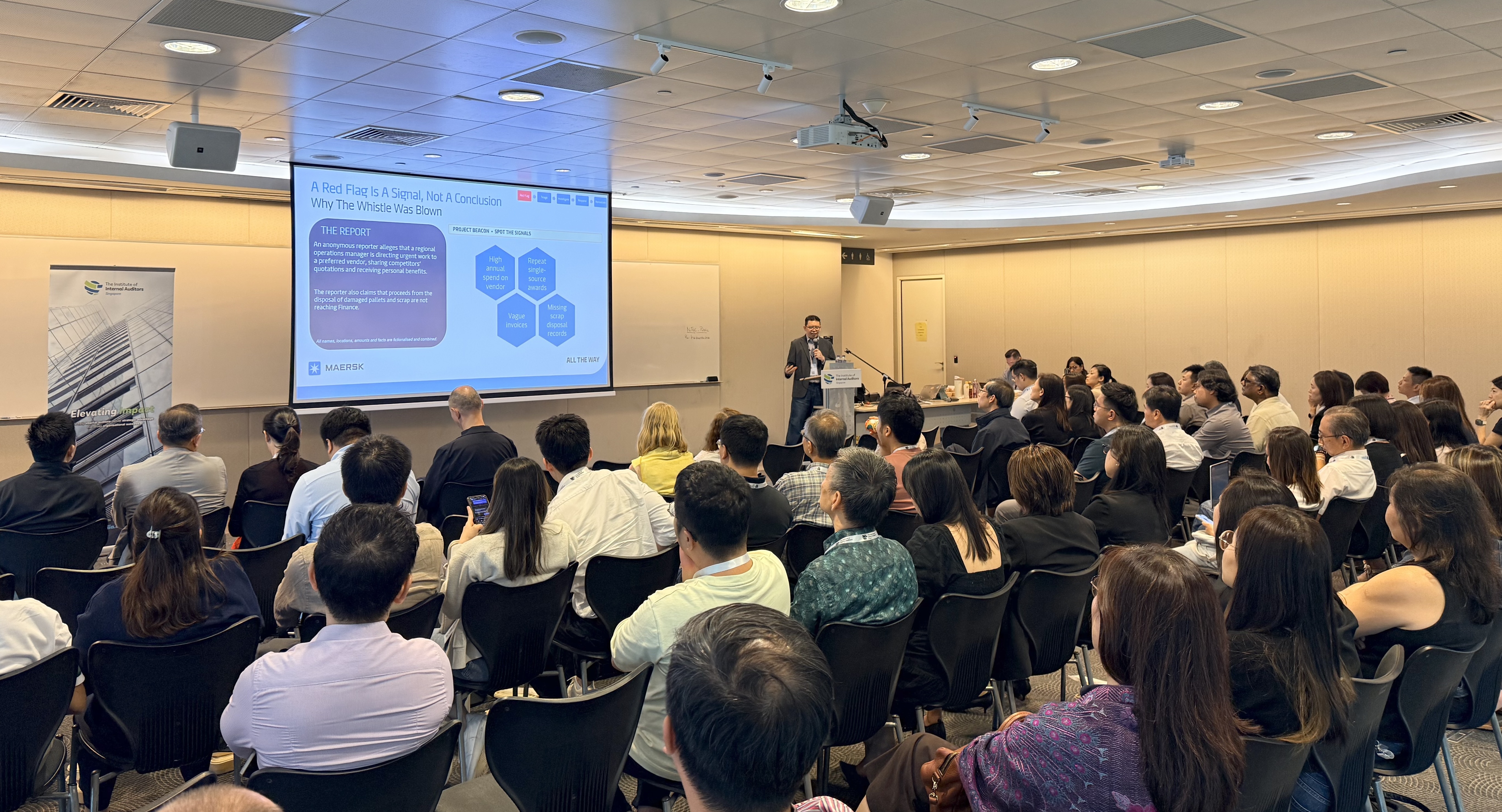
In “Beyond the Fraud Incident: From Red Flags to Investigation, Response and Remediation”, Mark Lim, Fraud Risk Officer Asia Pacific from A.P. Moller – Maersk, drew on practical investigation experience to examine the fraud lifecycle, from whistleblowing and detection to investigation, response and remediation. The session highlighted the importance of collaboration between the first line, second line and internal audit, while exploring how AI presents both emerging fraud risks and opportunities to strengthen detection and investigations.
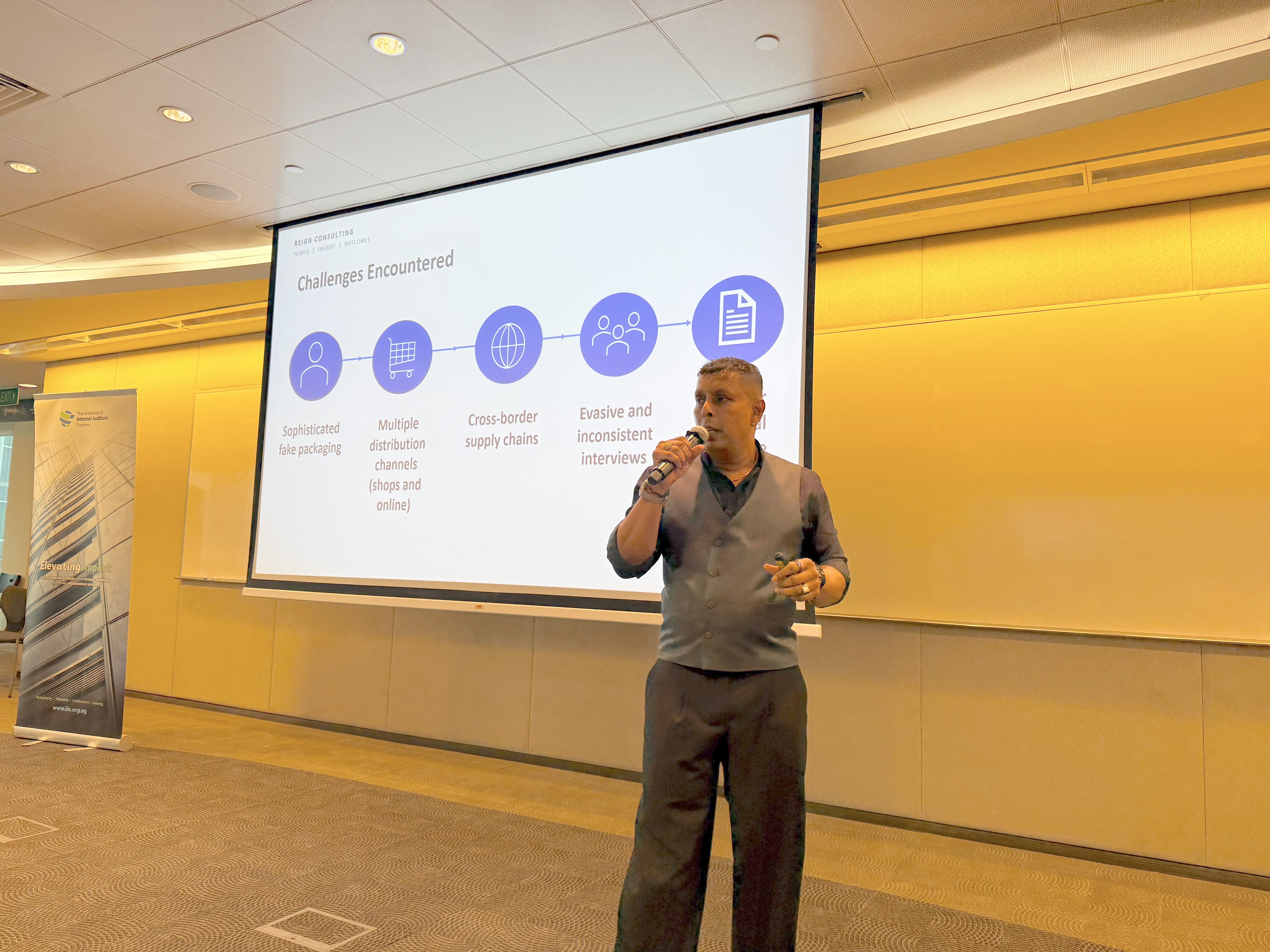
Rounding off the symposium, Ramesh Raj Kishore, Regional Director – Asia Pacific at the Pharmaceutical Security Institute, presented “When Assurance Meets Investigation: From Audit Concern to Defensible Outcome”. The session used an anonymised enforcement case to demonstrate how initial audit concerns can develop into wider investigations. Key considerations included evidence preservation, effective questioning, appropriate escalation, maintaining investigative boundaries and translating findings into meaningful remediation.
The symposium reinforced that effective fraud risk management requires more than identifying control weaknesses. Internal auditors must adopt a forward-looking, holistic approach, combining financial intelligence, behavioural insights, investigative capabilities and technological awareness to help organisations anticipate threats, strengthen resilience and respond effectively to an increasingly complex fraud landscape.