How to Train Your Internal Auditor: Theory vs Practice
Internal audit functions today are bringing in a broader mix of professionals. Some are fresh graduates, while others are mid-career hires transitioning from finance, IT, operations, compliance, or other roles. Many have formal audit qualifications, completed professional courses, and passed relevant examinations. On paper, they meet all entry requirements.
Yet the real challenge in developing internal auditors isn’t understanding standards or methodology. It lies in learning how to apply judgment in real-world situations. Traditionally, internal auditors developed this gradually through exposure to different engagements, stakeholders, and scenarios, supported by coaching and mentoring.
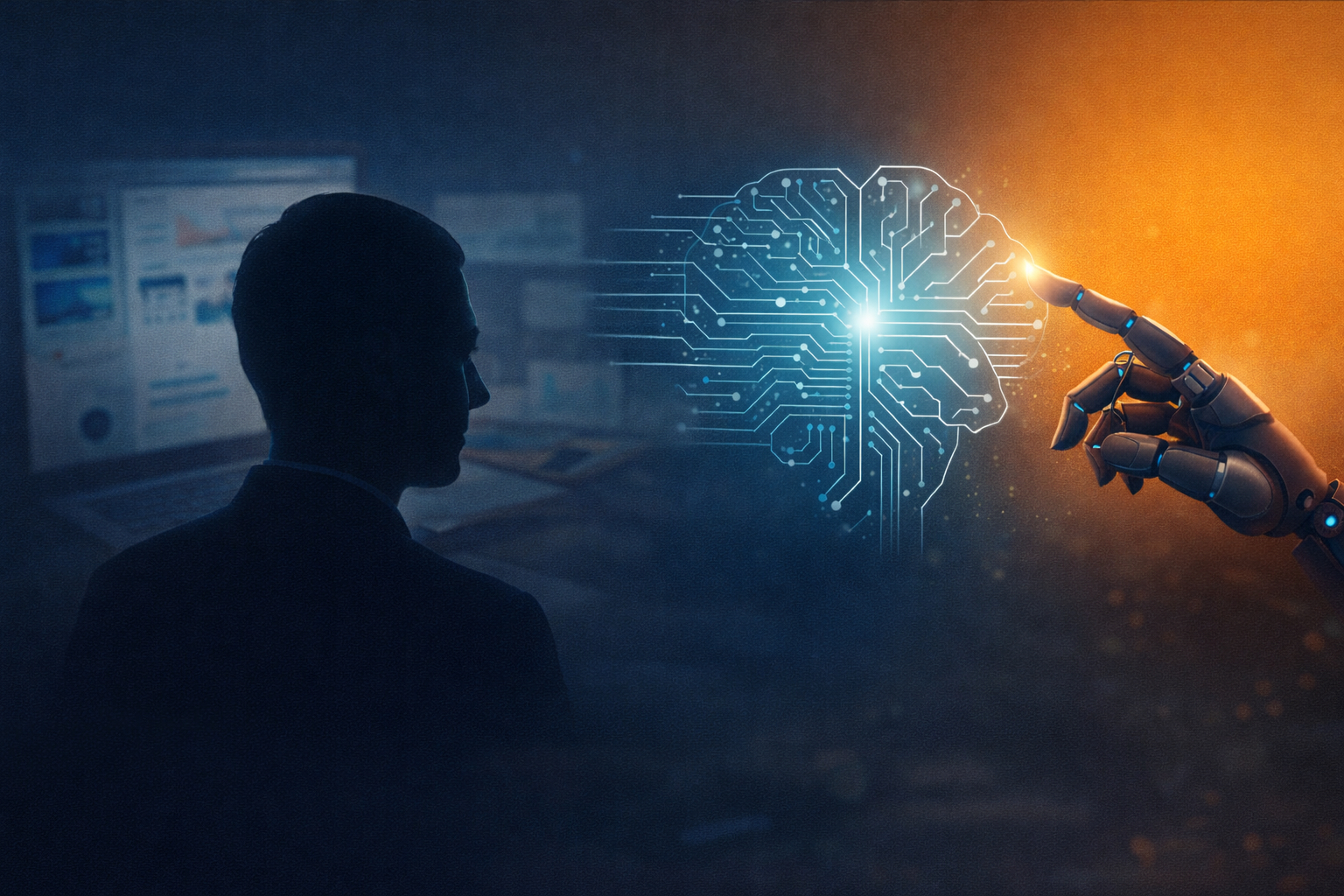
The limitation in the past wasn’t access to theory, but access to structured, repeatable opportunities to practise judgment. From my experience, generative AI (AI) is changing the equation, not by replacing professional judgment, but by accelerating its development.
AI as a Training Partner
AI isn’t a substitute for an experienced Engagement Team Lead (ETL). Human judgment, prioritisation, and final conclusions remain the responsibility of the internal auditor. Instead, AI can help internal auditors move past the “I don’t know what I don’t know” stage, enabling them to prepare more thoroughly before review by the ETL. This shifts review discussions from correcting gaps to discussing judgment, trade-offs, and escalation decisions.
Here are some practical ways AI can support the development of internal auditors:
1. Brainstorming “What Can Go Wrong”
Internal auditors often start risk identification with prior-year issues or generic risk libraries. This approach is fast, but narrow. In practice, we have found that AI can act as a structured brainstorming partner, helping auditors explore realistic risks specific to a system, process, outsourcing arrangement, data sensitivity, or regulatory environment.
The goal isn’t to outsource risk identification. It’s to challenge the auditor’s initial thinking and expand the range of plausible failure modes. By doing so, auditors enter review discussions with the ETL already equipped with a more complete risk landscape, rather than relying on their lead to surface gaps.
2. Exploring Alternative Approaches
Audit methodologies describe controls in general terms, but real-world challenges such as system limitations, resource constraints, or third-party dependencies often make standard approaches impractical.
AI can help internal auditors explore alternative approaches, including backup controls that reduce risk when standard controls are not feasible. It encourages auditors to think beyond simple binary assessments and consider whether the control effort matches the level of risk, as well as what risk remains even after controls are applied. This does not determine what will be accepted. Instead, it prepares auditors to have informed discussions with the ETL about reasonable and defensible control responses.
3. Preparing for Difficult Conversations
One of the hardest skills we have noticed internal auditors developing is communicating complex findings. AI can act as a rehearsal environment, helping auditors practise how to respond to challenges, management pushback, or misunderstandings. This allows auditors to refine explanations in terms of risk and impact rather than just control failure, so the ETL can focus on positioning and escalation strategy instead of correcting the message.
Why It Matters
AI doesn’t replace the experience auditors gain over time, but it can accelerate judgment development by providing structure, challenge, and a safe space to refine thinking. In this way, AI is evolving from an efficiency tool to a capability enabler, helping internal auditors broaden their perspective, improve communication, and enhance work quality from day one.
Lee Kwee Loong (KL), CISA, is a technology risk practitioner with a strong interest in adopting evolving AI tools to improve how internal auditors think, review and engage.