CAE Roundtable with EY
Internal audit plans need to keep pace with a risk landscape that is constantly changing. Cyber threats, rapid advances in artificial intelligence (AI) and geopolitical uncertainty are reshaping how organisations operate, bringing new challenges for those responsible for governance, risk management and assurance.
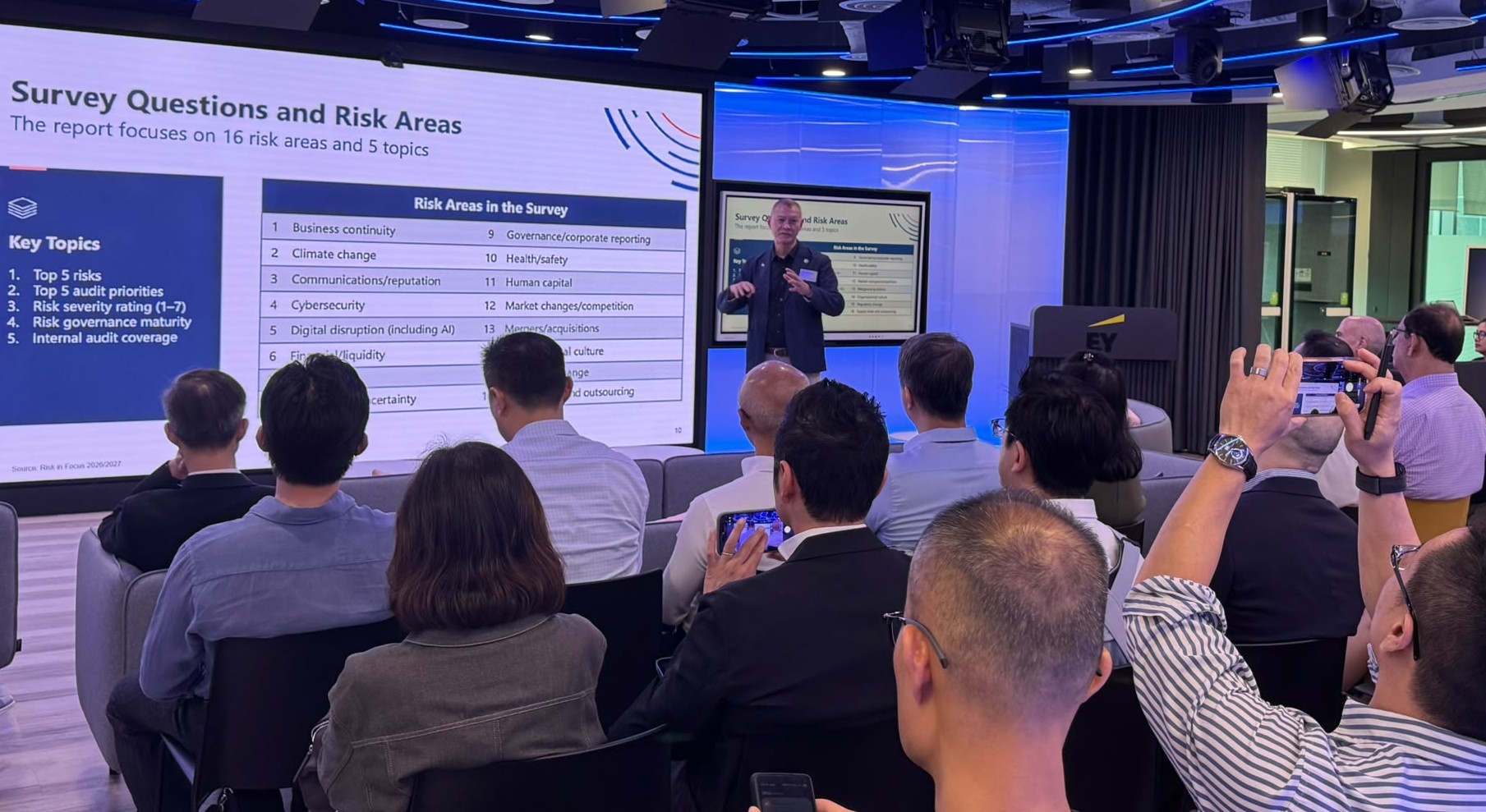
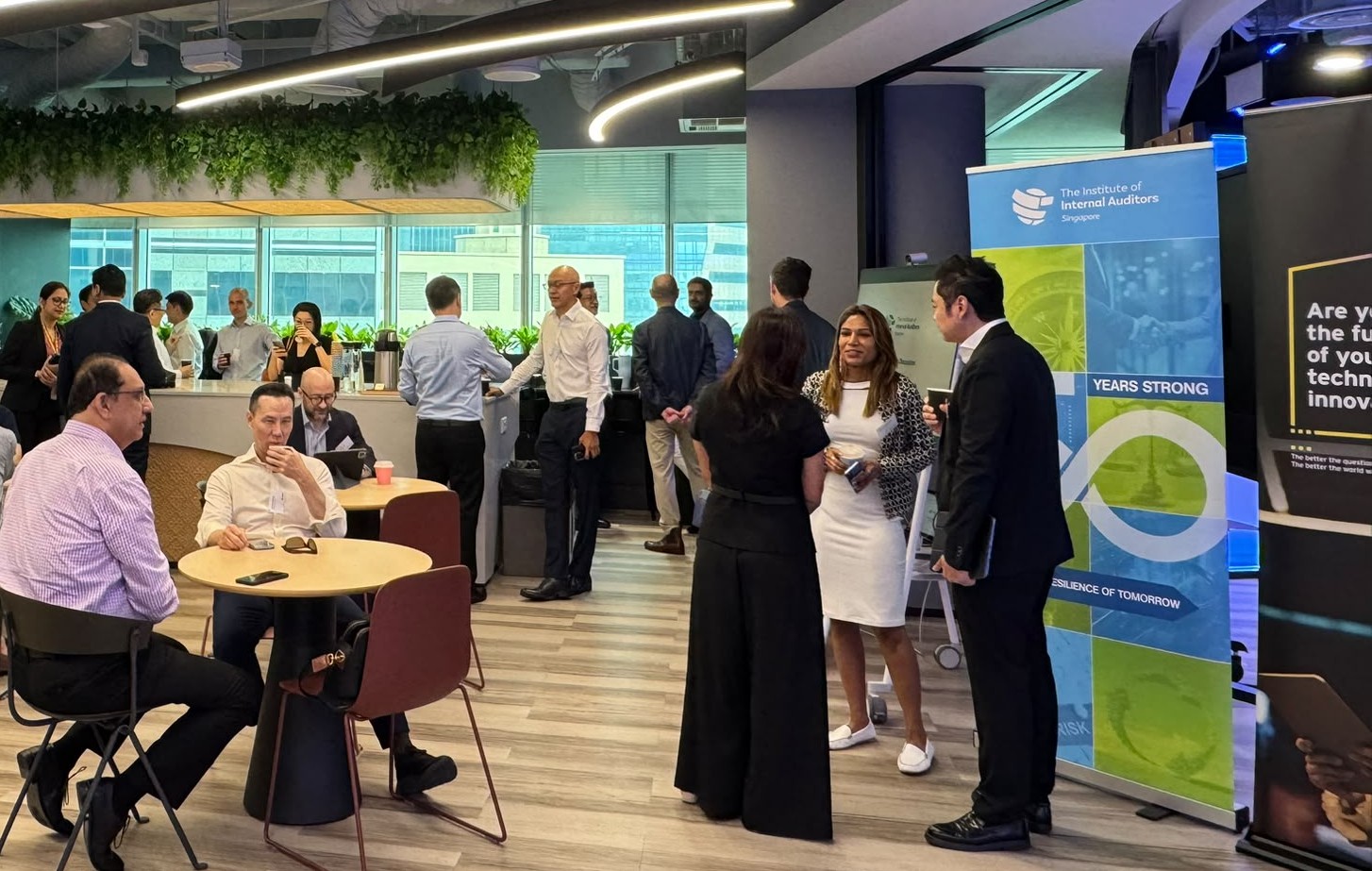
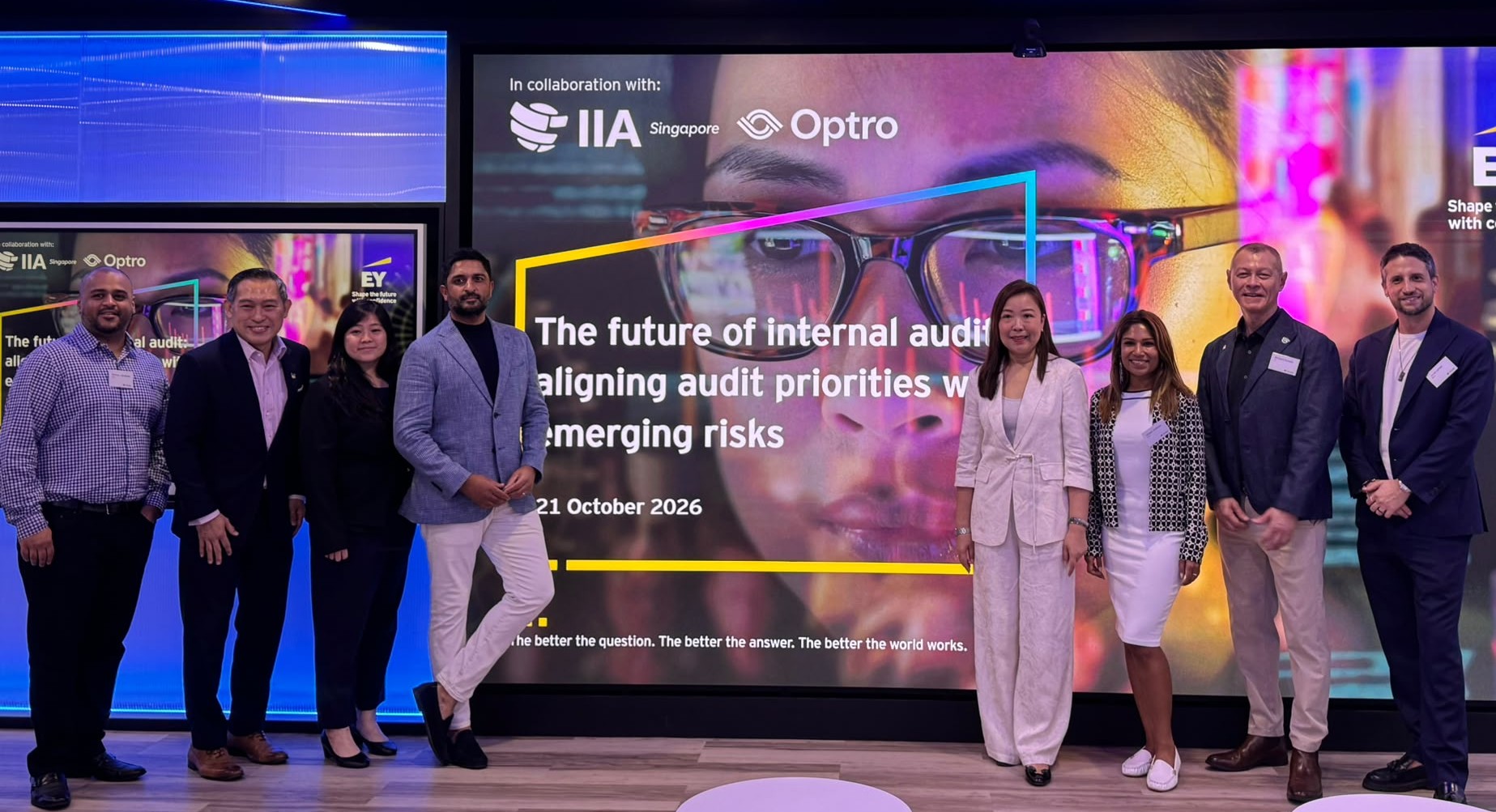
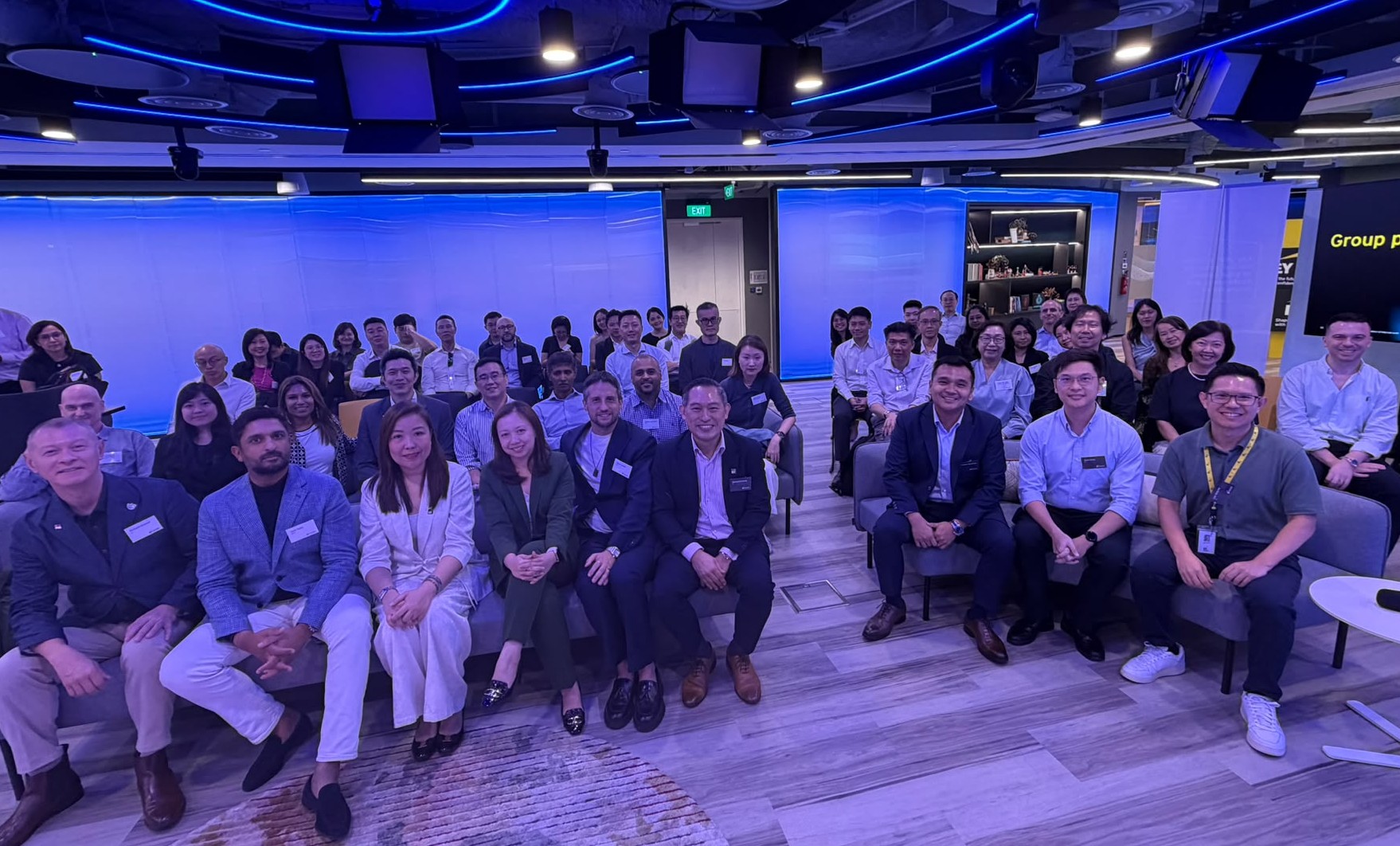
At a roundtable hosted by IIA Singapore in collaboration with EY on 21 October 2026, Richard Dyason (Executive Director of IIA Singapore), shared findings from Risk in Focus 2027, highlighting Singapore’s top three risks: cybersecurity (89%), digital disruption, including AI (84%), and geopolitical and macroeconomic uncertainty (74%). The findings highlight the competing demands facing internal audit. Cybersecurity remains a major concern as organisations become more digitally connected, while AI brings questions around data reliability, accountability and oversight. Meanwhile, geopolitical and economic developments can affect business strategies, supply chains and regulatory expectations, sometimes with little warning.
Sunita Kaur, Technical Director at IIA Singapore, shared how internal audit goes beyond checking processes and controls. By assessing risks, challenging assumptions, and providing independent insight, internal auditors help organisations spot gaps, strengthen decision-making and improve performance. This broader role makes internal audit an important part of how organisations manage risk and achieve their objectives. Darren Chin, Audit Partner at Foo Kon Tan, spoke about professional services in compliance and accounting, while Sunny Wong, Senior Lecturer at Ngee Ann Polytechnic’s School of Business & Accountancy, covered the skills and certifications employers value.
For internal audit, the challenge is to understand which risks matter most to the organisation, assess whether existing controls remain effective and direct resources towards areas where assurance is most needed. This also means being prepared to revisit audit priorities when significant changes occur, rather than relying solely on plans established at the start of the year.
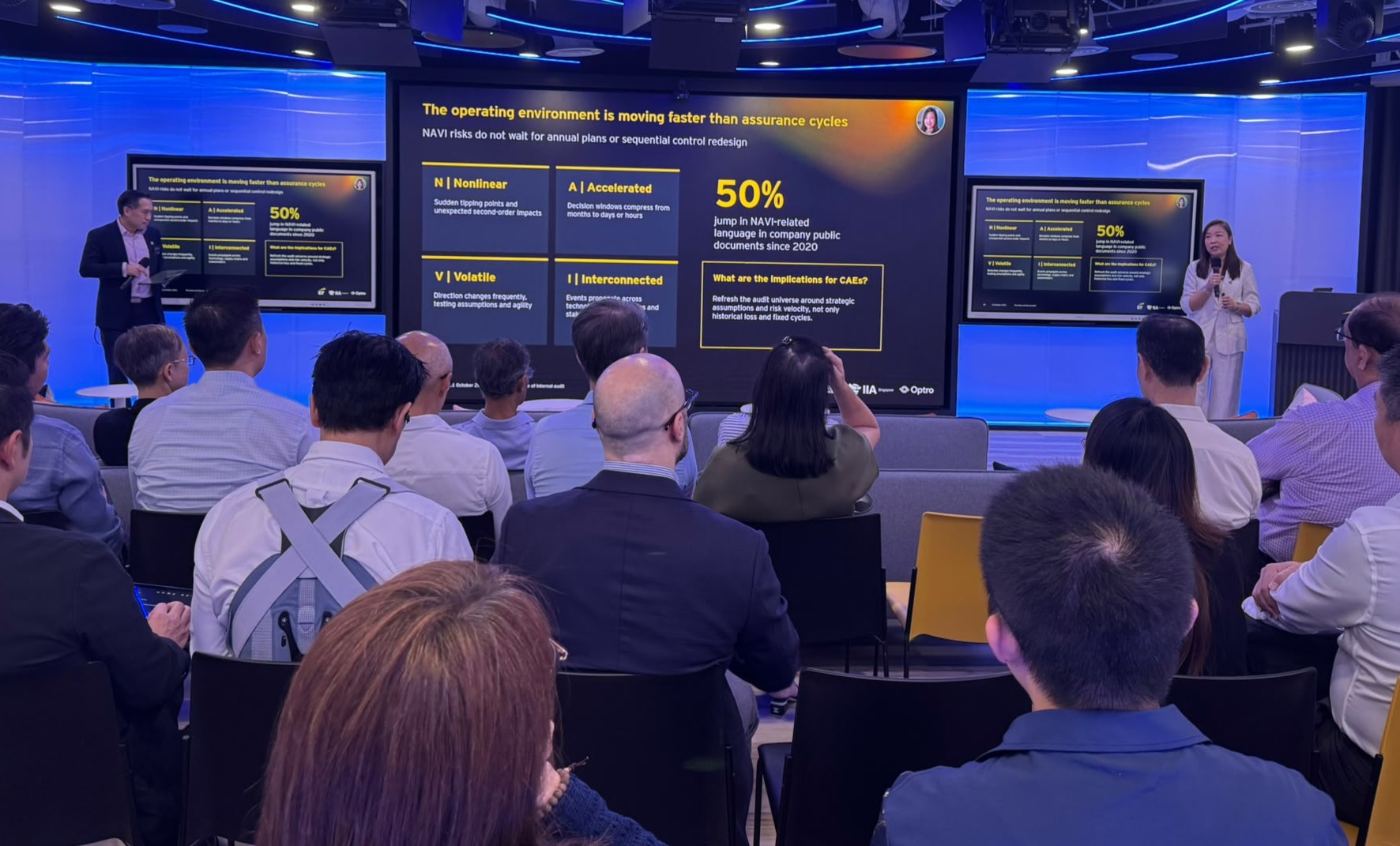
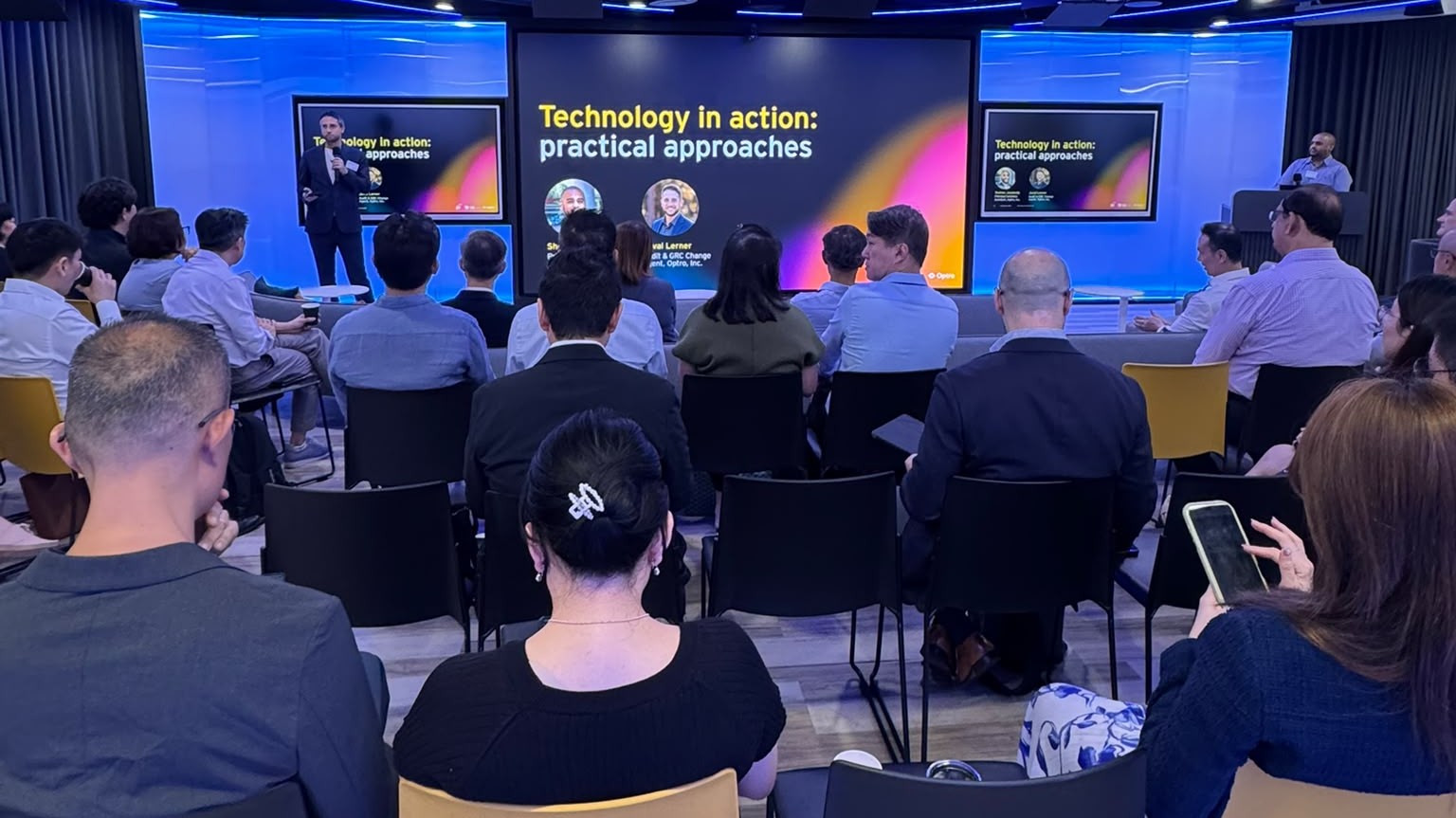
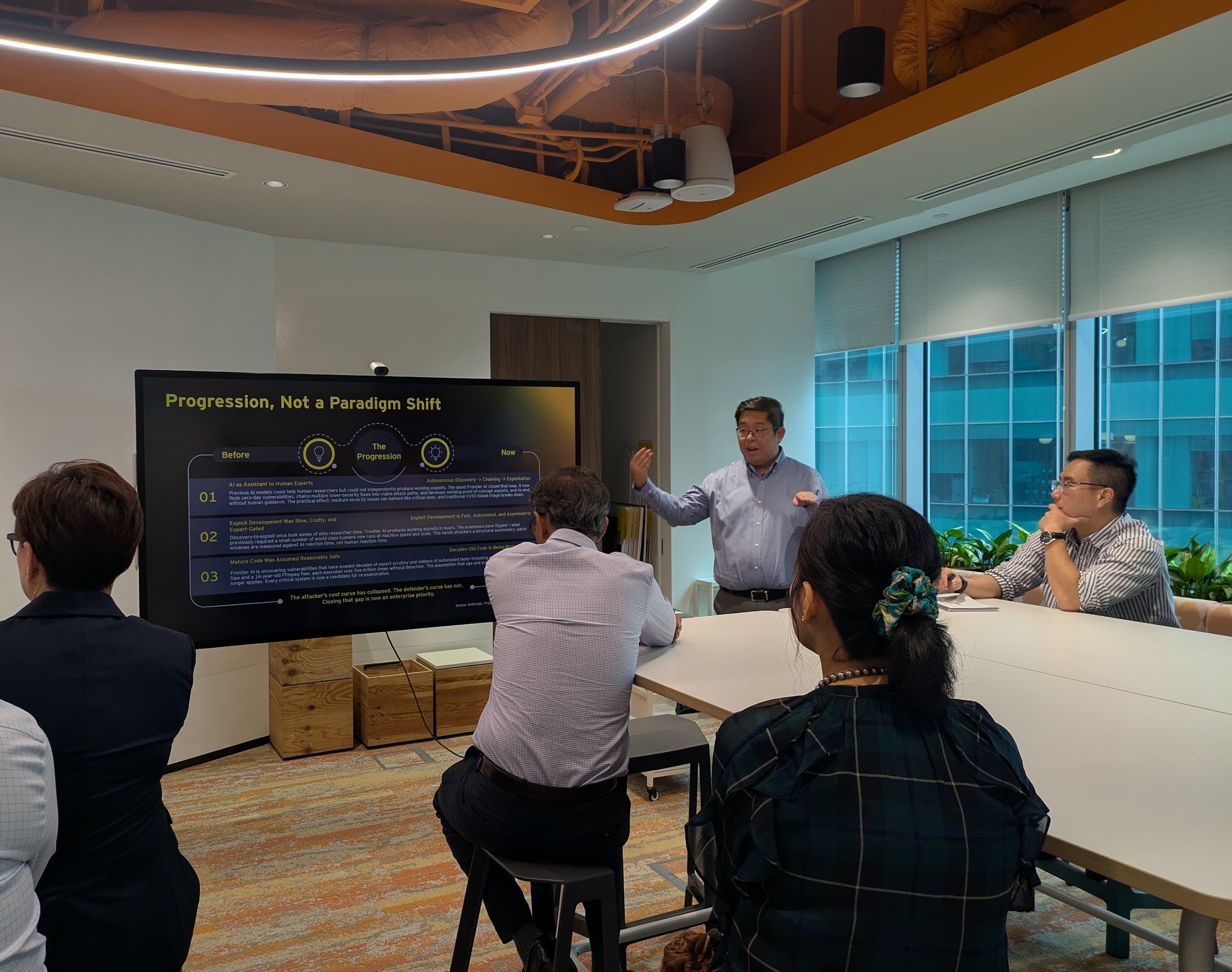
Building on these findings, Veron Wong (EY ASEAN and Singapore Risk Consulting Leader and Partner, Consulting) and Raymond Leong (Associate Partner, Risk Consulting, EY) discussed how internal audit can translate emerging risk insights into practical audit action. A key consideration is balancing a structured audit plan with the flexibility to respond to new developments. This requires a close understanding of the organisation’s objectives and changing risk exposure, while preserving internal audit’s independence and its ability to provide objective assurance. The Optro team, Shehan Jayakody and Juval Lerner shared practical approaches to using technology in internal audit. Data analytics and digital tools can help internal auditors identify patterns and focus their efforts, but professional judgement remains essential in interpreting findings and determining what warrants further investigation.
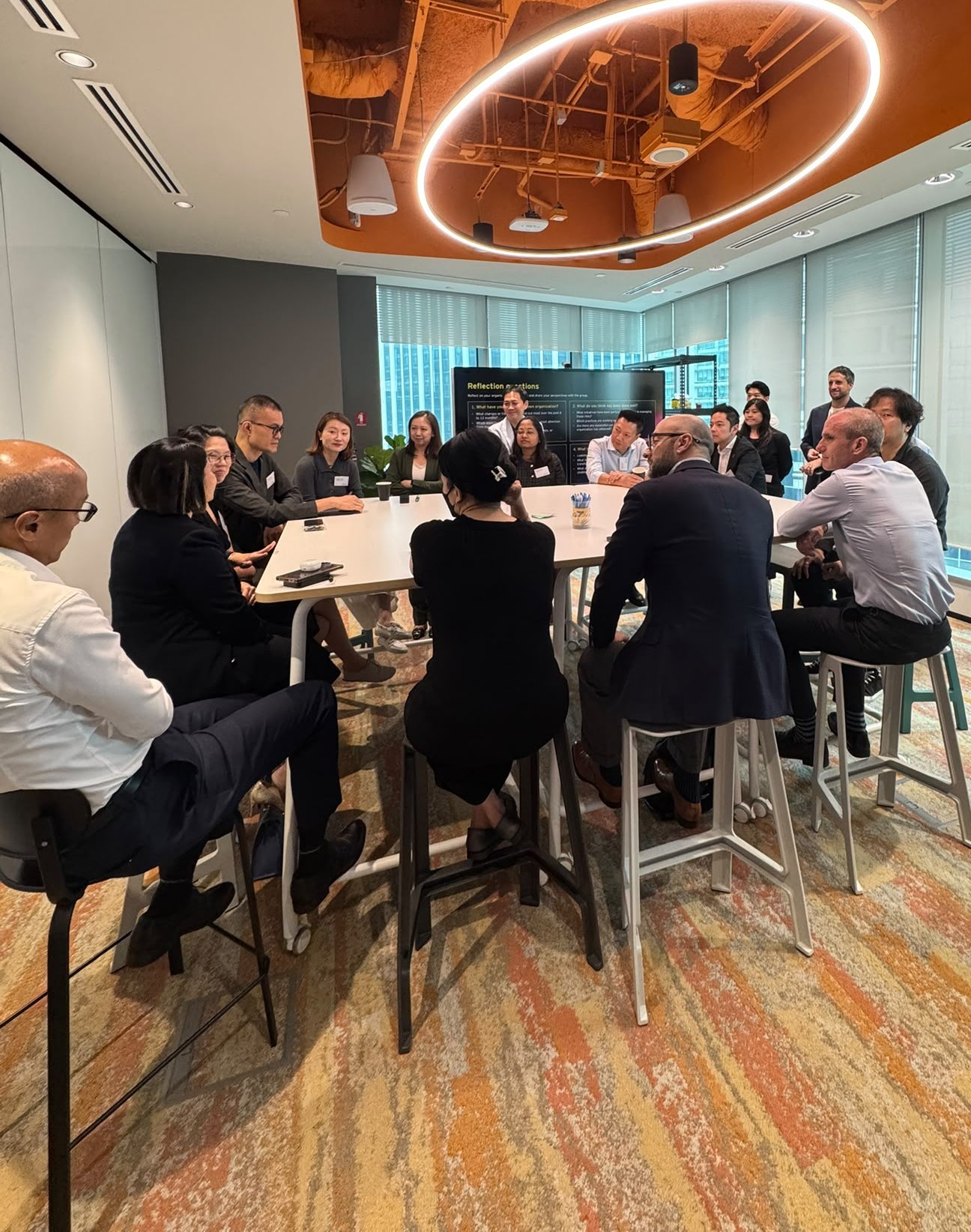
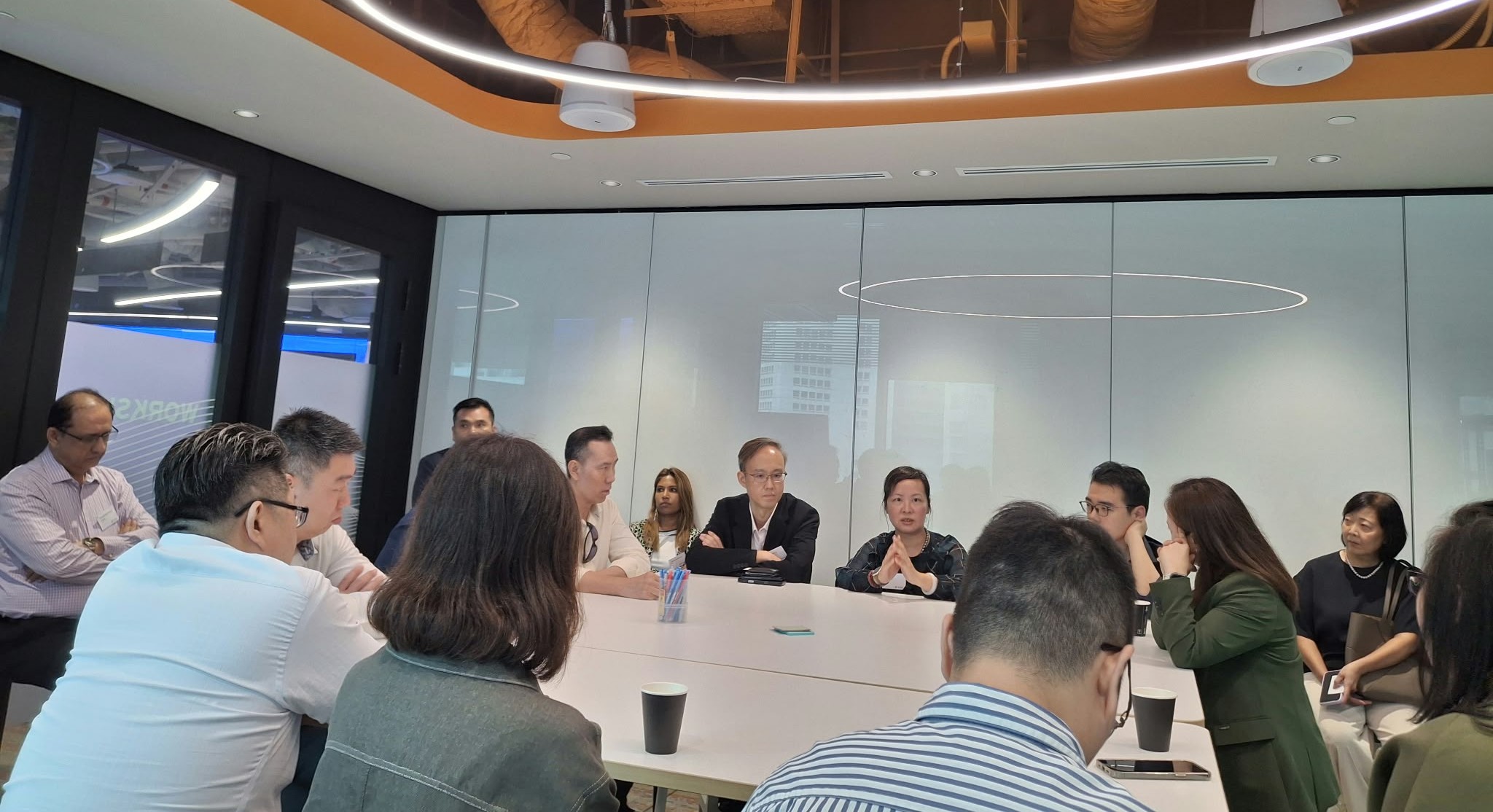
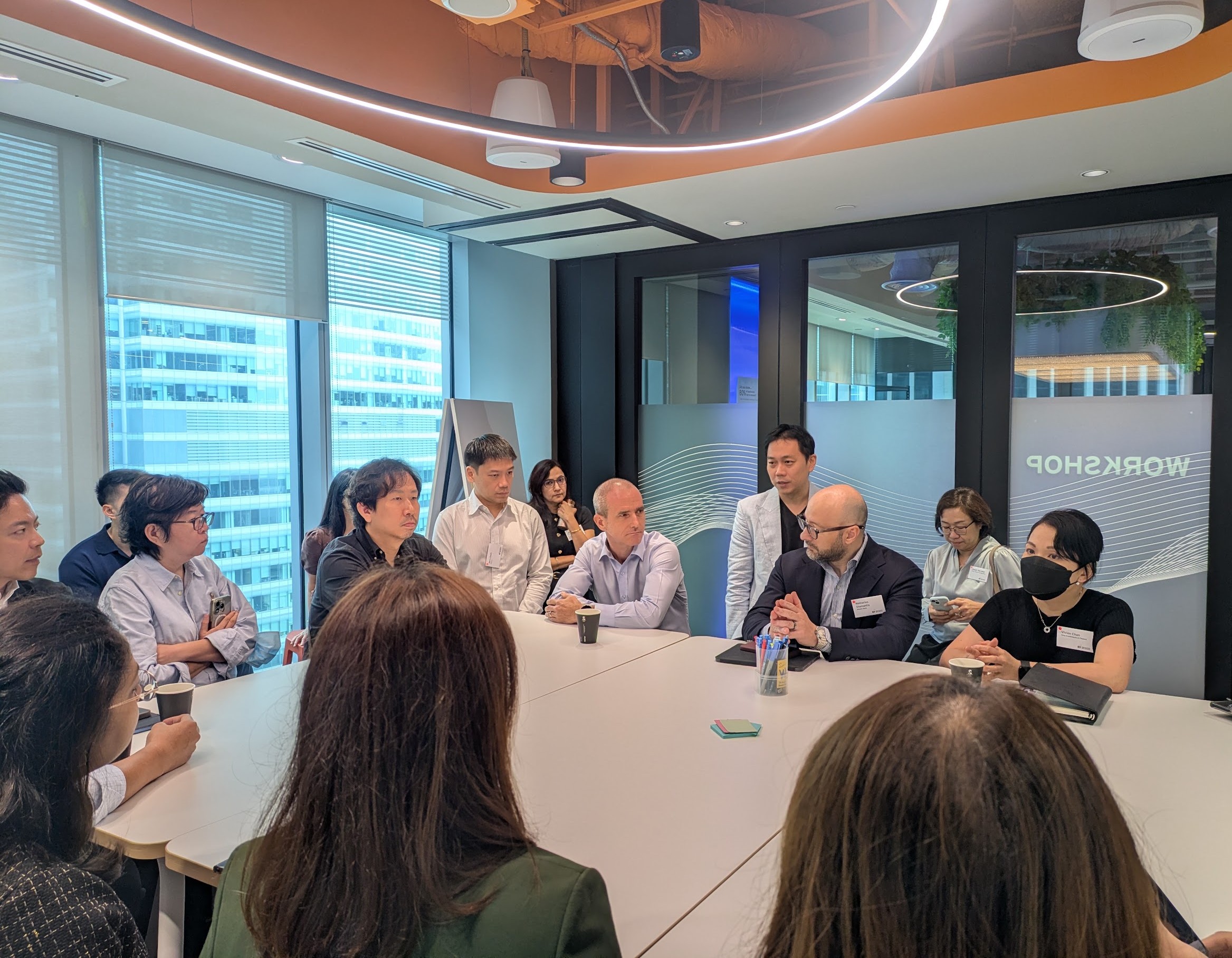
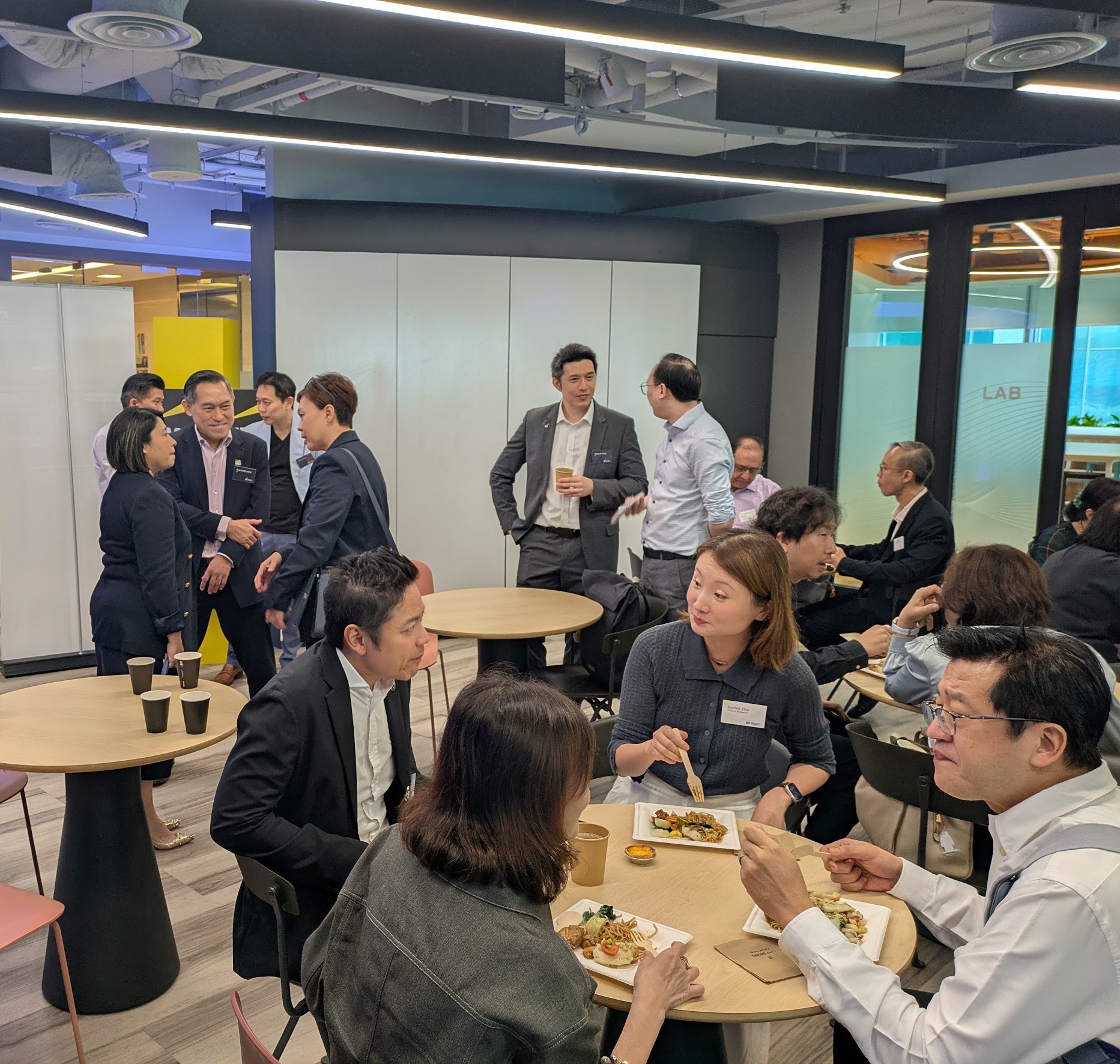
The breakout discussions gave participants an opportunity to share what had worked well in their organisations, the challenges they faced and the lessons they had learnt. While organisations may face similar risks, their circumstances and responses differ. Hearing how other internal audit teams approach emerging challenges can offer useful perspectives on audit coverage, resource allocation and the effectiveness of existing controls.
The discussion reinforces that internal audit must remain responsive to change while staying grounded in its purpose. By continually reassessing risks and aligning audit work with organisational priorities, internal audit can provide assurance that remains relevant as the business environment evolves.